
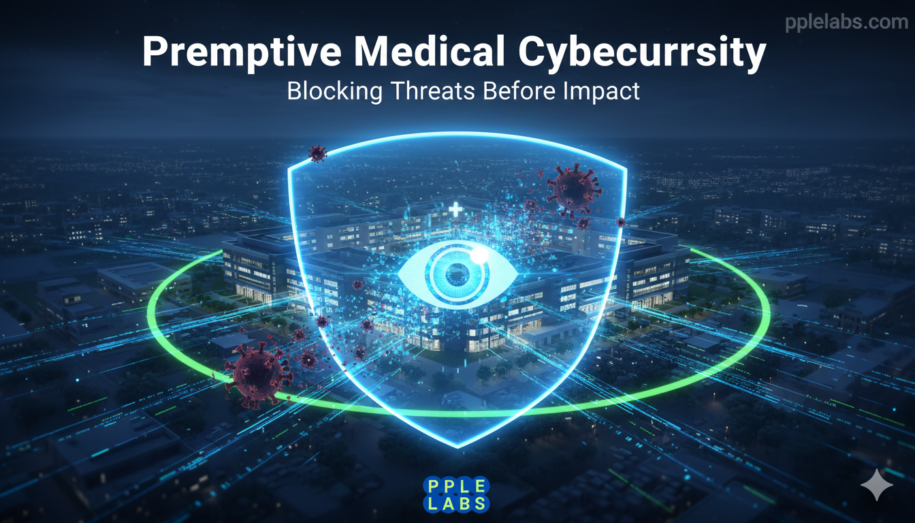
Imagine a world where a cyberattack on a hospital ends before it even begins. In the past, we played a dangerous game of catch up. A virus would enter the system, an alarm would sound, and IT teams would scramble to unplug servers while doctors stood over patients in confusion. Those days are gone. With the rise of Preemptive Medical Cybersecurity, the focus has shifted from cleaning up a mess to preventing the spill entirely. We are now using smart technology to hunt down threats in the shadows of the network. This isn’t just about protecting data anymore. It is about protecting human lives.
1. AI Threat Hunting: The Core of Preemptive Medical Cybersecurity
The old way of protecting a hospital was like a security guard waiting for a window to break. Modern threats are much sneakier than that. Preemptive Medical Cybersecurity uses artificial intelligence to look for patterns that don’t belong. Instead of waiting for a known virus signature, the system watches how files behave. Does a specific program suddenly want to access ten thousand patient records at midnight? The AI sees this and stops it instantly.
This level of vigilance creates what we call an autonomous security operations center. It works while everyone sleeps. By using Pplelabs insights on digital health, we see that connectivity is increasing. Every new device is a potential door for a hacker. Preemptive Medical Cybersecurity acts as a digital bouncer that checks IDs before anyone even gets close to the door. According to HealthITSecurity, the speed of attacks has tripled, making human intervention too slow for modern needs.
2. Neutralizing Hospital Ransomware via Preemptive Medical Cybersecurity
Ransomware is the nightmare of every hospital administrator. It locks up life saving equipment and demands money to turn it back on. However, Preemptive Medical Cybersecurity changes the math for hackers. By utilizing predictive models, the network can sense the “footprints” of ransomware before it starts encrypting files. This is like smelling smoke before the fire actually starts.
Many hospitals still run on older software that is hard to patch. These legacy systems are like old wooden houses in a lightning storm. Preemptive Medical Cybersecurity wraps these vulnerable spots in a digital shield. We can look at how CISA provides guidelines on protecting infrastructure to see why this is vital. If we can block the communication between the malware and its creator, the attack fails. This proactive stance ensures that surgeries are never cancelled due to a locked screen.
3. Predictive Incident Response for Modern Healthcare
What if your network could tell you where a leak might happen tomorrow? That is the power of predictive response within the realm of Preemptive Medical Cybersecurity. By analyzing millions of data points, these systems find the weak links in your chain. It might be a phishing email sitting in an inbox or a misconfigured cloud server.
When you integrate innovative health tech into your workflow, you must ensure the foundation is solid. Predictive tools allow you to fix the hole before the water comes rushing in. This saves millions of dollars in recovery costs. More importantly, it maintains the trust that patients place in their caregivers. Organizations like HHS emphasize that keeping data safe is a continuous process, not a one time setup.
4. Building an Autonomous SOC with Preemptive Medical Cybersecurity
Most hospital IT teams are overworked and tired. They cannot watch every screen every second. Building an autonomous SOC powered by Preemptive Medical Cybersecurity is like giving them a thousand extra eyes. This system handles the boring stuff, like checking routine logs, so the humans can focus on big picture strategy.
As we explore telemedicine trends, the perimeter of the hospital grows even wider. Patients are now connecting from their homes. Preemptive Medical Cybersecurity extends its reach to these remote connections. It ensures that a patient’s home Wi-Fi doesn’t become a gateway into the main hospital database. Utilizing resources from IBM Security can help teams understand how automation reduces the time to identify a breach by months.
The Future of Patient Safety
The shift toward Preemptive Medical Cybersecurity is not just a trend. It is a necessity for survival in a digital age. We have moved from a “wait and see” mindset to a “find and fix” reality. By embracing AI threat hunting and autonomous defenses, we ensure that technology remains a tool for healing rather than a point of failure. The goal is simple. We want doctors to focus on patients and let the security systems handle the ghosts in the machine.
To learn more about how technology is changing care, you can read about AI in healthcare or check out our guide on wearable tech. You might also find our post on precision oncology helpful for understanding data sensitivity.
FAQs
1. What is the main benefit of Preemptive Medical Cybersecurity? The main benefit is stopping threats before they cause downtime. This keeps medical equipment running and ensures patient data stays private without interrupting care.
2. How does AI help in Preemptive Medical Cybersecurity? AI acts as a constant monitor. It identifies weird behavior in the network that humans might miss. It can block an attacker in milliseconds.
3. Is Preemptive Medical Cybersecurity expensive for small clinics? While there is an initial cost, it is much cheaper than paying a ransom or dealing with a legal battle after a data breach. Many services are now scalable for smaller sizes.
4. Can this system protect old medical devices? Yes. It creates a protective layer around them. This stops hackers from reaching the old software that is usually hard to update.
5. Does Preemptive Medical Cybersecurity replace human IT staff? No. It helps them. It takes away the tedious tasks so the IT team can focus on making the hospital’s technology better for everyone.
Leave a Reply