
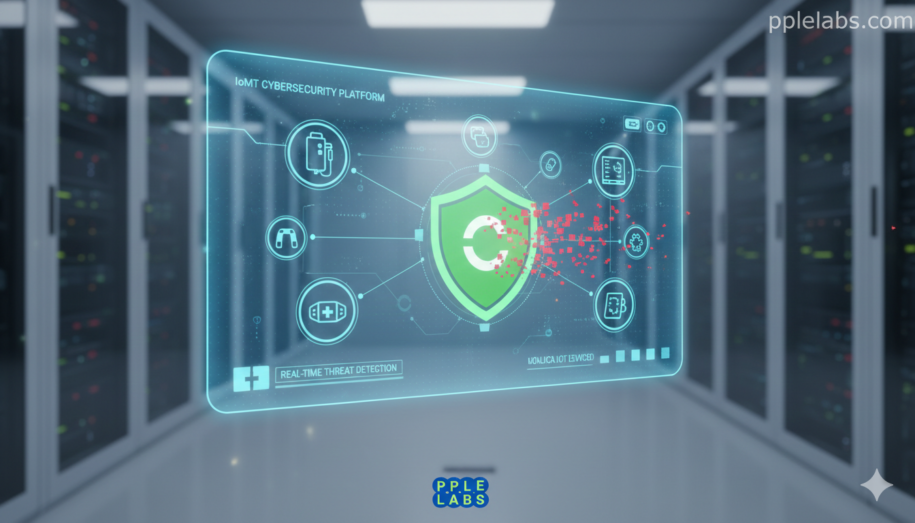
Imagine walking into a high tech hospital where every infusion pump, MRI machine, and heart monitor is talking to a central network. It sounds like a dream for efficiency, right? But for a hacker, that network is a playground of vulnerable entry points. This is where Cynerio Healthcare IoT Security steps in. In a world where digital threats can literally stop a heart, having a specialized bodyguard for your medical devices is no longer a luxury. It is a absolute necessity for patient safety.
1. Why Your Hospital Needs Cynerio Healthcare IoT Security Right Now
The modern healthcare landscape has changed. We are no longer just fighting off viruses that steal credit card numbers. Today, attackers target the Internet of Medical Things (IoMT). These are the connected devices that keep people alive. Traditional security software often fails here because it cannot “see” the unique language of a medical pump or a ventilator.
Cynerio Healthcare IoT Security provides the visibility that IT teams have been craving. It identifies every single device on the network, from the massive CT scanner to the smallest wearable sensor. By understanding the clinical context of these devices, it ensures that security measures never interfere with actual patient care.
2. How Cynerio Healthcare IoT Security Stops Ransomware in Its Tracks
Ransomware is the ultimate nightmare for any hospital administrator. One minute the clinic is running smoothly, and the next, every screen is locked behind a ransom note. Most of these attacks succeed because hackers move laterally through the network. They find a weak spot in an office computer and “hop” over to the medical devices.
2.1 Breaking the Kill Chain with Microsegmentation
Cynerio Healthcare IoT Security acts like a series of fire doors in a building. If a fire starts in the gift shop, you don’t want it reaching the ICU. This platform uses microsegmentation to isolate critical medical equipment. If a breach occurs on a staff laptop, the system ensures the attacker cannot reach the life saving devices. For more on how to build these digital walls, you can check out our guide on Claroty Medigate which also explores asset isolation.
3. Key Features of Cynerio Healthcare IoT Security You Should Know
What makes this platform stand out in 2026? It is the blend of deep packet inspection and clinical intelligence. It doesn’t just see a device; it knows exactly what that device is supposed to be doing at 3 AM.
- Automated Asset Discovery: It finds the “shadow” devices that your IT team didn’t even know were connected.
- Risk Scoring: Not all vulnerabilities are equal. A hole in a lobby TV is a nuisance, but a flaw in an anesthesia machine is a crisis. The system ranks these risks so you know what to fix first.
- Real Time Threat Detection: It watches for unusual behavior. If an infusion pump suddenly starts sending data to a server in another country, the system flags it instantly.
According to recent FDA cybersecurity guidelines, manufacturers and hospitals must now prove that their devices are resilient against evolving threats. Implementing a solution like this helps meet those high standards effortlessly.
4. Cynerio vs Claroty: Choosing the Best IoMT Protection
Hospitals often find themselves choosing between big names in the industry. While Claroty xDome Healthcare Security is a powerhouse and a Best in KLAS winner, many organizations prefer Cynerio Healthcare IoT Security for its ease of deployment and clinical focus.
Cynerio is often praised for being “plug and play” for smaller clinics that might not have a massive IT department. It provides clear, actionable steps that even non experts can follow. If you are a newer organization, you might also want to look at our tips for healthcare startups to see how compliance and security fit into your early growth.

5. The Human Side of Medical Device Protection
We often talk about code and firewalls, but the heart of Cynerio Healthcare IoT Security is about people. It bridges the gap between the IT team and the biomedical engineers. These two groups often speak different languages. IT cares about data, while Biomed cares about patient outcomes. This platform gives them a single source of truth.
When everyone sees the same risk map, they can work together to patch a device without disrupting a surgery. This level of collaboration is exactly what we discuss in our post about securing medical devices with AI.
6. Future Proofing with Cynerio Healthcare IoT Security
The future of medicine is increasingly mobile. We are seeing a massive rise in Edge AI in wearables which brings data processing right to the patient. While this is great for privacy, it adds more “nodes” to the hospital network.
Cynerio Healthcare IoT Security is designed to scale with this growth. Whether you are adding a dozen new smart beds or a thousand remote monitoring patches, the system adapts. It ensures that as you innovate with tools like HiddenLayer AI for medical models, your underlying hardware remains a fortress.
Conclusion
In the high stakes world of modern medicine, your network is only as strong as its weakest infusion pump. Cynerio Healthcare IoT Security offers the visibility, the precision, and the proactive defense needed to keep patients safe. It turns the “black box” of connected devices into a clear, manageable map. By choosing to secure your IoMT today, you aren’t just protecting data; you are protecting lives.
Frequently Asked Questions
1. Does Cynerio Healthcare IoT Security slow down medical devices? Not at all. The system uses passive monitoring. This means it watches the network traffic without interfering with the device’s actual job. Your pumps and monitors will keep running smoothly.
2. How does Cynerio differ from a standard firewall? A standard firewall is like a fence around your house. Cynerio Healthcare IoT Security is like a smart security system inside the house that knows the difference between your pet and a burglar. It understands the specific protocols used by medical equipment.
3. Is it difficult to install in a busy hospital? Most users find it surprisingly easy. It is designed to integrate with your existing tech stack. Many of its features are automated, so your team doesn’t have to be full of cybersecurity experts to use it effectively.
4. Can it help with HIPAA compliance? Yes. By identifying where patient data is moving and securing those pathways, it plays a major role in meeting HHS cybersecurity standards.
5. What is the biggest threat to IoMT in 2026? Currently, the biggest threat is lateral movement from ransomware. Hackers use simple phishing emails to get in and then hunt for unpatched medical devices. Using Abnormal Security for your emails alongside Cynerio for your devices is the gold standard for defense.
Leave a Reply