
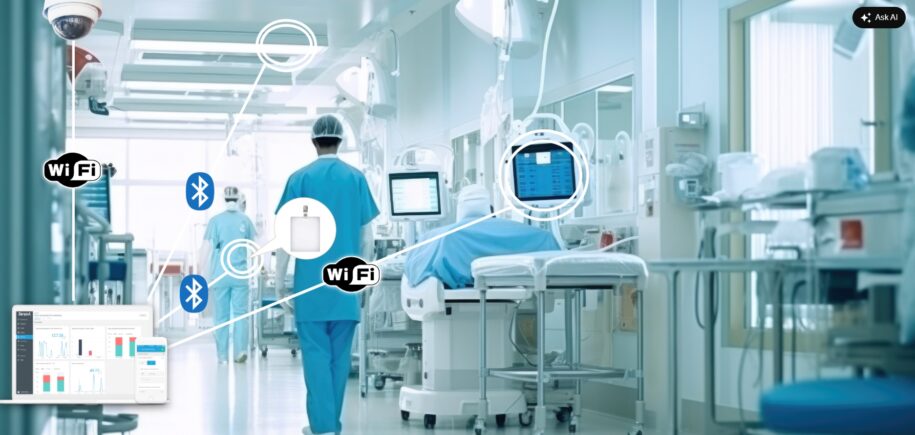
Remember when medical devices were mostly standalone machines, doing their job without ever “talking” to the internet? It feels like ages ago, doesn’t it? Today, we’re living in a healthcare reality where devices – from smart insulin pumps to advanced surgical robots – are increasingly connected, forming what we call the Internet of Medical Things (IoMT). This isn’t just a fancy buzzword; it’s a profound shift that’s transforming patient care, making it more efficient, precise, and often, more accessible. But with this incredible connectivity comes a critical, non-negotiable challenge: security. If you’ve been following healthcare news, you know that cyberattacks are on the rise, and our connected medical devices are becoming prime targets. That’s why embracing AI in securing these vital tools isn’t just an option; it’s an absolute imperative.
1. The IoMT Revolution: A Double-Edged Scalpel
Let’s be honest, the Internet of Medical Things has brought about a revolution in healthcare. It’s like having a digital guardian angel for every patient, constantly monitoring, analyzing, and even anticipating health needs.
1.1. IoMT’s Transformative Power in Healthcare
Think about it: remote patient monitoring for chronic conditions, wearable sensors that track vital signs in real-time, smart imaging systems providing immediate diagnostic insights, and even robotic surgery enhancing precision. The sheer volume of data these devices collect and transmit is astounding, leading to more personalized treatments and proactive interventions. The global IoMT market is booming, with projections showing massive growth in the coming years. This isn’t just about convenience; it’s about saving lives and improving quality of life. For instance, consider how remote monitoring can help manage conditions like diabetes or heart disease, giving patients more freedom while providing doctors with continuous, invaluable data. You can learn more about the indispensable role of healthcare cybersecurity, including for IoMT, by visiting https://pplelabs.com/healthcare-cybersecurity-job-a-practical-roadmap/.
1.2. The Looming Shadows: Understanding IoMT Vulnerabilities
But every silver lining has a cloud, right? The interconnectedness that makes IoMT so powerful also opens up a Pandora’s Box of vulnerabilities. Many of these devices, especially older models, weren’t designed with robust cybersecurity in mind. We’re talking about potential weaknesses like outdated operating systems, default passwords that are never changed, and data transmitted without proper encryption. Imagine a malicious actor gaining access to an insulin pump or tampering with a patient’s vital signs monitor – the consequences could be catastrophic, potentially even life-threatening. Recent reports indicate that IoMT devices are increasingly involved in ransomware attacks and data breaches within healthcare, highlighting the urgent need for a stronger defense. As discussed in this article from Netwrix, healthcare remains a prime target for cyberattacks: https://blog.netwrix.com/healthcare-cybersecurity.
2. Why Traditional Security Falls Short in the IoMT Landscape
You might wonder, “Don’t hospitals already have cybersecurity measures in place?” Yes, they do, but the unique nature of IoMT devices often makes traditional security approaches less effective.
2.1. The Unique Challenges of IoMT Security
Unlike typical IT endpoints like laptops or servers, many medical devices have long lifecycles, meaning they might be in use for years, even decades, without significant updates. They often run proprietary software, making patching a complex nightmare. Plus, interrupting a medical device for security updates isn’t always feasible, especially if it’s actively supporting a patient. We’re also dealing with a diverse ecosystem of devices from various vendors, each with different security postures and protocols. It’s like trying to secure a neighborhood where every house is built with different materials and different locks – a truly complex undertaking!
2.2. When Legacy Systems Meet Cutting-Edge Threats
Many healthcare networks are a patchwork of old and new technologies. While new devices might have some built-in security features, they still have to operate within existing infrastructures that may not be robust enough to handle the sheer volume and diversity of IoMT traffic. This can create easy entry points for cybercriminals. The truth is, the speed and sophistication of modern cyber threats often outpace the reactive, signature-based defenses that traditional security models rely on. We need something smarter, something that can anticipate and adapt.
3. AI to the Rescue: A New Paradigm for Proactive Defense
This is where Artificial Intelligence steps onto the scene as a game-changer for IoMT security. AI isn’t just about fancy algorithms; it’s about learning, adapting, and making intelligent decisions at lightning speed.
3.1. How AI Powers Next-Gen IoMT Security
Think of AI as an incredibly vigilant security guard who never sleeps, never blinks, and can analyze millions of data points simultaneously. AI-powered security solutions can sift through vast amounts of data generated by IoMT devices, identifying patterns, anomalies, and potential threats that would be impossible for human analysts to spot. It moves us from a reactive “clean up the mess” approach to a proactive “stop it before it happens” strategy. For more on how AI revolutionizes healthcare security, check out https://pplelabs.com/how-artificial-intelligenceai-bolsters-healthcare-cybersecurity-defenses/.
3.2. Real-time Threat Detection and Anomaly Identification
The real magic of AI in this context is its ability to learn what “normal” looks like for each connected medical device and then immediately flag anything that deviates. Is a blood pressure monitor suddenly trying to access patient billing records? Is an MRI machine attempting to establish an unusual external connection? AI can detect these subtle but critical anomalies in real-time. This isn’t just about identifying known malware; it’s about spotting suspicious behavior, even from never-before-seen threats. This capability is crucial for protecting patient data and ensuring device integrity.
4. The AI Arsenal: Key Applications in IoMT Cybersecurity
AI offers a diverse toolkit for bolstering IoMT cybersecurity. Let’s explore some of the most impactful applications.
4.1. Predictive Analytics: Forecasting Cyber Storms
Imagine being able to predict a cyberattack before it even occurs. That’s the power of predictive analytics, driven by AI. By analyzing historical attack data, network traffic patterns, and device vulnerabilities, AI algorithms can forecast potential attack vectors and identify devices at highest risk. This allows healthcare organizations to proactively strengthen their defenses, allocate resources efficiently, and even patch vulnerabilities before they are exploited. This proactive stance, as highlighted by HIPAA Secure Now!, is invaluable in reducing healthcare costs and improving patient outcomes: https://www.hipaasecurenow.com/ai-in-healthcare-cybersecurity/.
4.2. Behavioral Biometrics and User Authentication
Who is accessing what, and when? Behavioral biometrics, powered by AI, can go beyond simple passwords to verify user identity continuously. It analyzes unique patterns like typing rhythm, mouse movements, and even how a user interacts with an application. If there’s a sudden, uncharacteristic shift in behavior, AI can flag it as suspicious, preventing unauthorized access to sensitive patient data or critical medical devices. This adds a powerful layer of defense against stolen credentials. Discover more about protecting sensitive patient information in the age of AI at https://pplelabs.com/protecting-sensitive-patient-information-in-the-age-of-ai/.
4.3. Automated Incident Response and Orchestration
When a security incident occurs, every second counts. AI can automate the initial response, orchestrating actions like isolating compromised devices, blocking malicious traffic, and alerting security teams. This significantly reduces the time from detection to containment, minimizing potential damage and ensuring continuity of care. This swift, automated response is a far cry from manual processes that can take hours or even days, during which critical systems remain vulnerable. You can learn how AI-powered healthcare security strategies are implemented at https://pplelabs.com/building-a-fortress-key-strategies-for-implementing-ai-powered-healthcare-security/.
5. Building a Fortified Smart Hospital with AI
Securing IoMT devices isn’t just about individual gadgets; it’s about creating a secure ecosystem within the entire hospital or healthcare facility. AI is central to this comprehensive strategy.
5.1. Network Segmentation and Zero Trust Principles
Imagine a hospital network as a building. Instead of one large open space, you want multiple, locked rooms, right? That’s what network microsegmentation does – it divides the network into smaller, isolated segments. If one IoMT device is compromised, the attack is contained within its segment, preventing it from spreading across the entire hospital network. AI can dynamically manage these segments, adapting to traffic patterns and threat intelligence. This aligns perfectly with the “Zero Trust” model, which assumes no user or device, even within the network, can be inherently trusted until verified. Every access request is authenticated and authorized, no matter where it originates. For insights into implementing Zero Trust, see this guide from Palo Alto Networks: https://www.paloaltonetworks.com/cybersecurity/what-is-zero-trust.
5.2. Continuous Monitoring and Vulnerability Management
The cybersecurity landscape is constantly evolving, with new threats emerging daily. AI-powered systems provide continuous monitoring of all IoMT devices, analyzing their behavior, traffic, and interactions. They can identify new vulnerabilities as soon as they appear, often even before manufacturers release patches. This allows healthcare organizations to proactively manage risks and apply necessary updates, ensuring their defenses are always up-to-date. This ongoing vigilance is crucial, as static defenses are simply not enough in today’s dynamic threat environment. Discover how supply chain security, including continuous monitoring, protects healthcare data through third-party AI integrations at https://pplelabs.com/supply-chain-security-protecting-healthcare-data-through-third-party-ai-integrations/.
6. The Human Element: Training and Collaboration are Key
While AI is a powerful ally, it’s not a silver bullet. The human element remains absolutely crucial for effective IoMT security.
6.1. Empowering Healthcare Professionals in Cybersecurity
Cybersecurity isn’t just an IT department’s problem; it’s everyone’s responsibility. Healthcare professionals, from doctors and nurses to administrators, interact with IoMT devices daily. Educating them about basic cybersecurity hygiene – strong passwords, recognizing phishing attempts, and reporting suspicious activity – is paramount. Think of it like teaching everyone in a building how to use the fire extinguisher. Their awareness can be the first line of defense against many attacks. Check out how empowering healthcare professionals in the AI cybersecurity landscape is vital at https://pplelabs.com/the-human-factor-empowering-healthcare-professionals-in-the-ai-cybersecurity-landscape/.
6.2. The Symbiosis of Human Expertise and AI
AI excels at data analysis, pattern recognition, and automation. Humans, however, bring critical thinking, nuanced decision-making, and the ability to adapt to unforeseen circumstances. The most effective IoMT security strategies involve a harmonious collaboration between AI tools and human security analysts. AI can flag potential issues, but it’s the human expert who ultimately investigates, confirms, and devises the most appropriate response. This human-AI partnership creates a truly formidable defense against cyber threats. You can read more about comprehensive healthcare cybersecurity strategies, including the human factor, at https://pplelabs.com/a-comprehensive-guide-to-healthcare-cybersecurity/.
7. The Future is Now: Embracing an AI-Driven Security Posture
The sheer number of IoMT devices is only going to grow, bringing with it an exponential increase in potential attack surfaces. Ignoring the cybersecurity implications is no longer an option. The future of healthcare relies on secure, reliable, and trustworthy connected medical devices. By proactively leveraging Artificial Intelligence, we can build robust, adaptive security frameworks that protect patient data, safeguard critical healthcare operations, and ensure the continued advancement of medical innovation. It’s about moving from simply reacting to threats to intelligently predicting and preventing them. It’s about building a healthcare system where every patient can feel truly safe, knowing their care is secured by the best of human ingenuity and artificial intelligence. For more on cybersecurity resources for the healthcare field, the American Hospital Association provides valuable insights: https://www.aha.org/cybersecurity.
Conclusion
The integration of IoMT in healthcare promises a future of unprecedented medical advancements, but this future hinges entirely on robust cybersecurity. As the number of connected medical devices continues to surge, so too do the risks of debilitating cyberattacks. Traditional security measures, while foundational, simply aren’t agile enough to combat the complex and ever-evolving threats targeting these critical systems. This is where Artificial Intelligence emerges not just as a tool, but as a strategic imperative. By harnessing AI’s capabilities for real-time threat detection, predictive analytics, automated responses, and continuous monitoring, we can move from a reactive stance to a proactive defense. The synergy between intelligent AI systems and informed human expertise will be the cornerstone of a secure IoMT ecosystem, safeguarding patient privacy, ensuring operational continuity, and ultimately, allowing healthcare to fulfill its life-saving potential without fear of cyber disruption.
FAQs
- What exactly is IoMT, and how is it different from IoT? IoMT stands for the Internet of Medical Things. While IoT (Internet of Things) refers to a broad network of interconnected devices, IoMT specifically applies this concept to healthcare, encompassing medical devices, sensors, and applications that collect and exchange health data. Think of IoMT as a specialized subset of IoT designed for the unique demands of the medical field.
- Why are IoMT devices particularly vulnerable to cyberattacks? IoMT devices often have unique vulnerabilities due to their long lifecycles, proprietary software, and the challenge of applying regular security updates without disrupting patient care. Many older devices weren’t designed with modern cybersecurity in mind, making them susceptible to exploits like default passwords or unencrypted data transmission.
- How does AI specifically help in securing connected medical devices? AI helps by analyzing vast amounts of data from IoMT devices in real-time to detect unusual patterns and anomalies that indicate a cyber threat. It can power predictive analytics to forecast attacks, enhance user authentication through behavioral biometrics, and automate incident responses, significantly reducing the time it takes to detect and neutralize threats.
- Is AI going to replace human cybersecurity professionals in healthcare? Not at all! AI is a powerful tool that augments human capabilities. It can automate repetitive tasks, process data at speeds humans can’t, and identify subtle threats. However, human cybersecurity professionals are crucial for critical thinking, complex decision-making, strategic planning, and adapting to novel attack scenarios that AI might not yet be trained for. It’s a collaborative effort.
- What steps can healthcare organizations take today to improve IoMT security with AI? Start by conducting a comprehensive inventory of all IoMT devices and assessing their risks. Then, explore implementing AI-powered solutions for network segmentation, continuous monitoring, and behavioral analytics. Crucially, invest in ongoing cybersecurity training for all staff and foster a culture of security awareness. It’s a continuous journey of improvement, not a one-time fix.
Leave a Reply