
1. The AI Revolution and the Healthcare Data Imperative
We’re living in a fascinating time where artificial intelligence is rapidly changing how we approach healthcare. But as we embrace these powerful tools, it’s crucial to acknowledge the new security challenges they introduce, especially when it comes to safeguarding sensitive patient data. Let’s dive into why this matters more than ever.
1.1 The Transformative Power of AI in Healthcare
Artificial intelligence (AI) is rapidly reshaping the healthcare landscape, promising a future where diagnostics are more precise, treatments are more personalized, and administrative tasks are streamlined. From predicting disease outbreaks and assisting in complex surgeries to automating patient scheduling and analyzing vast amounts of medical images, AI’s potential to revolutionize patient care is truly breathtaking. It’s a game-changer, helping us move towards more efficient and effective healthcare systems.
1.2 The Growing Threat to Healthcare Data
However, this exciting leap forward comes with a significant challenge: securing the incredibly sensitive patient data that fuels these AI innovations. Healthcare organizations handle a treasure trove of personal health information (PHI), including medical histories, insurance details, and even genetic data. This data is not just sensitive; it’s highly valuable to cybercriminals. We’re seeing an alarming increase in sophisticated cyberattacks targeting healthcare, making robust data protection a non-negotiable priority. For more on this, you might find this article on A Comprehensive Guide to Healthcare Cybersecurity very insightful.
1.3 Why Supply Chain Security Matters More Than Ever
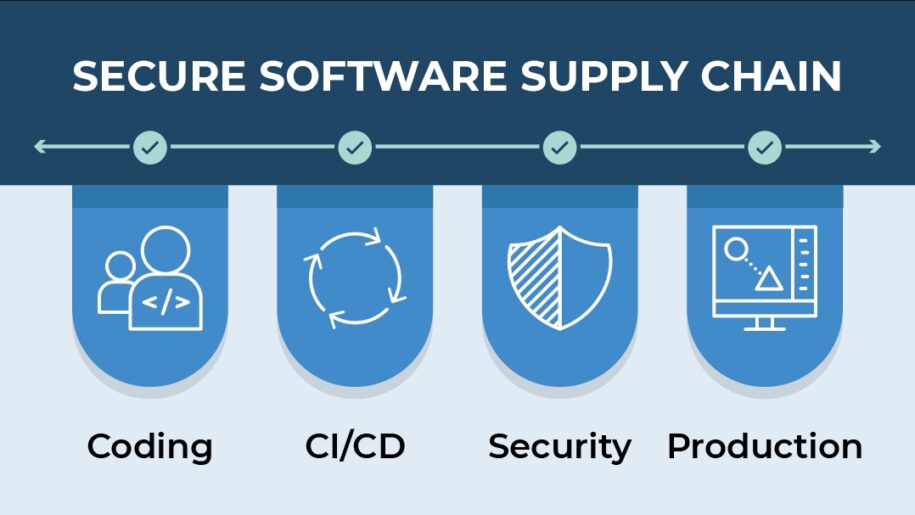
The integration of third-party AI solutions introduces new complexities into the healthcare supply chain, creating fresh avenues for potential data breaches. Think of it like this: your organization’s security is only as strong as its weakest link. When you bring in external AI vendors, you’re essentially extending your perimeter, and with that, you’re inheriting their security posture, for better or worse. It’s not just about protecting your internal systems anymore; it’s about safeguarding the entire ecosystem.
2. Understanding the Healthcare Supply Chain and Third-Party Risks
To truly grasp the security implications, we first need to understand what the healthcare supply chain looks like in this modern, digitally integrated world. It’s far more complex than just physical goods.
2.1 What is the Healthcare Supply Chain?
When we talk about the healthcare supply chain, it’s not just about medical equipment and pharmaceuticals. In the digital age, it encompasses all the interconnected systems, vendors, and processes involved in delivering healthcare services, including data flow. This network is vast and intricate, involving everything from electronic health record (EHR) providers and cloud storage solutions to specialized AI diagnostics tools. Each connection point represents a potential entry for a determined attacker.
2.2 The Rise of Third-Party AI Vendors
The rapid development of AI has led to a boom in specialized third-party AI vendors, each offering cutting-edge solutions for various healthcare needs. These vendors often bring valuable expertise and innovation that in-house teams might lack. However, the convenience and advanced capabilities they offer must be weighed against the inherent security risks of outsourcing critical functions that handle sensitive data. It’s a delicate balance, wouldn’t you agree?
2.3 Inherent Vulnerabilities Introduced by AI Integrations
Integrating third-party AI systems into your existing infrastructure creates several potential weak points. We’re talking about vulnerabilities that can arise from insecure APIs, unpatched software, or even a lack of transparency in how the AI models themselves are trained and managed. These external dependencies can become backdoors if not rigorously managed, putting patient data squarely in harm’s way. Our discussion on Top Cybersecurity Risks Facing AI-Driven Healthcare Systems delves deeper into this.
3. Common Pitfalls: How Third-Party AI Can Compromise Healthcare Data
With a clearer picture of the digital supply chain, let’s zero in on the specific ways third-party AI can inadvertently, or sometimes directly, compromise healthcare data. Knowing these pitfalls is the first step toward avoiding them.
3.1 Data Poisoning and Model Manipulation
One of the more insidious threats introduced by AI integrations is data poisoning. Imagine an attacker intentionally feeding corrupted or biased data into an AI model during its training phase. This poisoned data can then lead to inaccurate diagnoses, flawed treatment recommendations, or even expose sensitive patient information. Similarly, model manipulation involves tampering with the AI algorithm itself, leading to unpredictable and potentially harmful outcomes. These aren’t just theoretical risks; they’re real threats that demand our attention.
3.2 Inadequate Data Governance and Access Controls
Healthcare organizations must ensure that third-party AI vendors adhere to the same stringent data governance policies they maintain internally. Without clear policies on data ownership, retention, and deletion, patient data can become vulnerable. Furthermore, inadequate access controls by vendors – perhaps too many employees having access to sensitive data, or weak authentication protocols – can provide easy entry points for malicious actors. It’s crucial to set strict boundaries and ensure they’re enforced. For more on this, you can refer to Compliance and Beyond: Adhering to Healthcare Regulations in an AI-Driven World.
3.3 Lack of Transparency and Explainability in AI Models
Many advanced AI models, particularly deep learning systems, can be opaque, often referred to as “black boxes.” It can be challenging to understand how they arrive at their conclusions. This inherent lack of transparency, or “explainability,” can be a significant security risk. If you can’t understand why an AI made a certain decision, how can you be sure it hasn’t been compromised or isn’t introducing bias that could expose data? It’s a question that keeps many of us in the security world up at night. For more on this, check out this excellent piece from the World Health Organization on Safe and Ethical AI for Health.
3.4 Software and Hardware Dependencies
Every piece of software and hardware used by a third-party AI vendor is a potential vulnerability. Open-source libraries, cloud infrastructure, and even the physical hardware chips can harbor weaknesses that attackers can exploit. Supply chain attacks, where a component is compromised before it even reaches the vendor, are a growing concern. We need to be vigilant about the entire chain of custody for all components that make up an AI solution.
4. Fortifying Your Defenses: Strategies for Secure AI Integrations
Understanding the risks is only half the battle. Now, let’s shift our focus to the actionable strategies you can implement to build robust defenses and ensure your AI integrations enhance security, rather than detract from it.
4.1 Robust Vendor Assessment and Due Diligence
The first line of defense is a thorough and continuous vendor assessment process. Before you even consider integrating a third-party AI solution, you need to do your homework.
4.1.1 Comprehensive Security Audits
Don’t just take their word for it. Conduct in-depth security audits of all potential AI vendors. This should include reviewing their security certifications, penetration test results, incident response plans, and data handling practices. Ask tough questions about their employee vetting processes and their physical security measures. Remember, no stone should be left unturned. For further reading, an article on Managing Third-Party Risks in Healthcare: Key Risks & Strategies offers valuable insights.
4.1.2 Business Associate Agreements (BAAs) and Contractual Clarity
For any vendor that handles PHI, a meticulously crafted Business Associate Agreement (Baa) is non-negotiable. This legal document explicitly outlines each party’s responsibilities regarding the protection of PHI under HIPAA. Ensure your contracts clearly define security requirements, audit rights, breach notification procedures, and liability. Don’t shy away from legal counsel; this is too important to leave to chance. This article on Building a Fortress: Key Strategies for Implementing AI-Powered Healthcare Security can help frame your approach.
4.2 Implementing Strong Technical Safeguards
Even with the best vendor, your organization still needs strong technical safeguards in place.
4.2.1 Data Encryption and Anonymization
Encryption is your best friend when it comes to data protection. Ensure that all healthcare data, both at rest and in transit, is encrypted using robust, industry-standard protocols. Furthermore, explore techniques like de-identification and anonymization for data used in AI training, especially for non-critical applications. This reduces the risk significantly by stripping away personally identifiable information.
4.2.2 Granular Access Controls and Multi-Factor Authentication
Implement granular, role-based access controls (RBAC) for all systems interacting with AI solutions. This means employees and AI systems only have access to the data and functions absolutely necessary for their role. Beyond passwords, mandate multi-factor authentication (MFA) for all access points. MFA adds an essential layer of security, making it much harder for unauthorized individuals to gain entry.
4.3 Continuous Monitoring and Threat Intelligence
The threat landscape is constantly evolving, and what’s secure today might not be tomorrow. Implement continuous monitoring of your network and integrated AI systems for any anomalous behavior. Utilize threat intelligence feeds to stay abreast of emerging vulnerabilities and attack vectors. Real-time anomaly detection, perhaps even powered by AI itself, can significantly reduce detection and response times. An excellent resource on AI Data Security from Cyber.gov.au explains this further.
4.4 Prioritizing AI Governance and Ethical AI Use
Beyond technical measures, strong governance is paramount. Establish an AI governance framework that outlines ethical guidelines, data privacy principles, and accountability for AI deployments. Regularly audit AI models for bias and ensure transparency in their decision-making processes. This isn’t just about security; it’s about responsible AI adoption. You can find more on Beyond the Code: Ethical AI Development for Secure Healthcare Solutions on PPL ELabs, and also on AI Governance in Health Systems from Duke University.
5. The Human Element: Training, Awareness, and Incident Response
While technology and robust processes form the backbone of security, we can’t forget the most important factor: people. Empowering your team with knowledge and preparing them for potential challenges is crucial.
5.1 Staff Training and Cybersecurity Awareness
Technology alone isn’t enough; your human team is your strongest defense, or your weakest link. Regular and comprehensive cybersecurity training for all staff, including those who directly interact with AI systems, is critical. Educate them on phishing attempts, social engineering tactics, and the importance of secure data handling. Foster a culture where security is everyone’s responsibility. Read our insights on The Human Factor: Empowering Healthcare Professionals in the AI Cybersecurity Landscape.
5.2 Developing a Robust Incident Response Plan
No matter how many precautions you take, breaches can happen. A well-defined and frequently rehearsed incident response plan is essential. This plan should clearly outline steps for identifying, containing, eradicating, recovering from, and learning from a security incident. Knowing exactly what to do when something goes wrong can significantly mitigate the damage. Our guide on Unmasking Hidden Threats: The Power of Proactive Cybersecurity Monitoring in Healthcare can provide more detailed steps, and you might also find this external article on Healthcare Data Breach Best Practices from HHS.gov useful for a broader perspective.
6. Conclusion: A Proactive Approach to Healthcare AI Security
So, what’s the takeaway from all this? It’s about being proactive, diligent, and constantly adapting to the evolving digital landscape.
The integration of third-party AI solutions offers incredible promise for the future of healthcare. However, this promise comes with a profound responsibility to protect sensitive patient data. By adopting a proactive, multi-layered approach to supply chain security, encompassing rigorous vendor management, robust technical safeguards, continuous monitoring, strong governance, and comprehensive staff training, healthcare organizations can harness the power of AI while safeguarding patient privacy and trust. The journey to a truly secure healthcare AI ecosystem is ongoing, but with diligence and foresight, we can navigate these complexities successfully, ensuring innovation doesn’t come at the cost of security.
7. Frequently Asked Questions (FAQs)
Naturally, a topic like this brings up a lot of questions. Here are some of the most common ones we hear regarding healthcare AI security.
- What are the primary risks associated with integrating third-party AI in healthcare? The main risks include data poisoning, inadequate data governance by vendors, lack of transparency in AI models leading to unidentifiable vulnerabilities, and software/hardware dependencies within the AI supply chain.
- How can healthcare organizations vet third-party AI vendors effectively? Effective vetting involves comprehensive security audits, reviewing their certifications, assessing their incident response capabilities, and ensuring robust Business Associate Agreements (BAAs) are in place to clearly define data protection responsibilities.
- What role does data encryption play in protecting healthcare data with AI integrations? Data encryption is fundamental. It ensures that sensitive patient data, whether stored or being transmitted to or from AI systems, remains unreadable and unusable to unauthorized parties, even if a breach occurs.
- Why is continuous monitoring important for AI integrations in healthcare? Continuous monitoring is crucial because the threat landscape is dynamic. It allows organizations to detect unusual patterns, anomalous behavior, and emerging vulnerabilities in real-time, enabling swift responses to potential security incidents.
- Beyond technology, what human elements are critical for supply chain security in healthcare AI? Beyond technology, crucial human elements include comprehensive staff training on cybersecurity best practices, fostering a security-aware culture, and having a well-defined and regularly rehearsed incident response plan to manage and recover from any security breaches.
Leave a Reply