
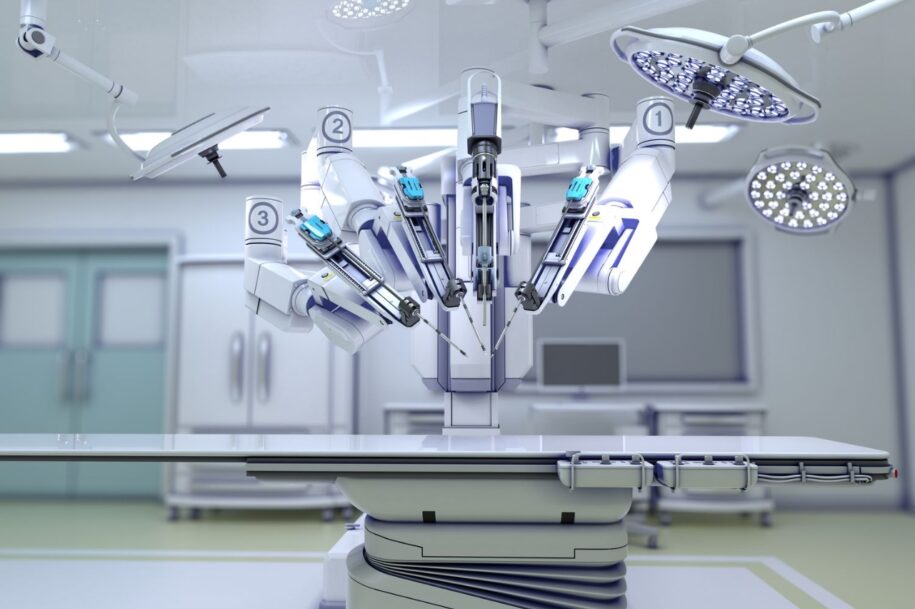
In the world of medtech, few innovations have captured the imagination quite like robotic surgery. This cutting-edge field is transforming how complex operations are performed, moving beyond traditional methods to offer a minimally invasive and incredibly precise alternative. By combining human expertise with advanced robotics, surgeons are gaining new levels of control, ultimately improving patient outcomes.
- Robotic Surgery
Have you ever wondered what the operating room of the future looks like? Forget what you’ve seen in movies. It’s not about some clunky, giant robot replacing the surgeon. The reality is far more sophisticated, collaborative, and, frankly, exciting. We’re talking about robotic surgery, an innovation that is quietly but powerfully transforming the world of medicine. This isn’t a concept from a sci-fi novel; it’s a rapidly evolving field of medtech that is already making a huge difference for patients and doctors alike. Robotic surgery is essentially a type of minimally invasive procedure where a surgeon uses a computer console to control robotic arms, which are equipped with tiny, specialized surgical instruments and a high-definition camera. It’s like a super-precise, high-tech extension of the surgeon’s own hands, allowing for incredible control and accuracy.
1.1. A New Era of Surgical Precision: What is Robotic Surgery?
Let’s get a clear picture of what robotic surgery actually is. At its core, it’s a tool—a very advanced one—that a surgeon uses to perform an operation. The surgeon doesn’t stand over the patient with a scalpel; they sit at a console a few feet away, looking at a magnified 3D image of the surgical site. With their hands and feet, they manipulate the controls, and the robotic arms inside the patient’s body mirror their movements. What’s amazing is that the robot can filter out any natural tremors, scale down movements for incredible precision, and rotate instruments with a dexterity that no human hand could ever achieve. This system allows for complex procedures to be done through a few small incisions, which is a massive leap forward from traditional “open” surgery.
1.2. The Shift from Traditional to Minimally Invasive Approaches
For decades, the standard was open surgery, which required a large incision to give the surgeon a clear view and enough space to work. Think of a long scar running down the abdomen. This approach, while effective, often led to significant pain, blood loss, and a long and difficult recovery period. Then came laparoscopic surgery, which used a small camera and instruments inserted through tiny cuts. It was a huge improvement, but the rigid, straight instruments had a limited range of motion. Robotic surgery took the principles of minimally invasive surgery and added a layer of precision and control that truly changed the game. It combines the small incisions of laparoscopy with the enhanced dexterity and 3D visualization of open surgery, giving us the best of both worlds.
1.3. A Brief History of Robotic Surgery
It’s easy to think of this as a brand-new technology, but the concept has been developing for a while. The first robotic system approved for a surgical procedure in the US was back in 1985. However, the system that truly launched the modern era of robotic surgery was the da Vinci Surgical System, which received FDA clearance in the year 2000. It quickly became the gold standard and is still the most widely used system today. This system has paved the way for a whole new generation of medical robots and has shown us just how effective and revolutionary robotic surgery can be. For a more detailed look into this history, you can read this article from the National Institutes of Health on the advancements in robotic surgery.
2. The Core Benefits of Robotic Surgery
When you talk to patients who have undergone robotic surgery, a few key themes emerge. They often mention how surprised they were by their quick recovery and minimal scarring. These aren’t just minor benefits; they represent a fundamental change in the patient experience. The advantages of robotic surgery extend far beyond the operating table, impacting everything from a patient’s time in the hospital to their ability to return to daily life.
2.1. Why Robotic Surgery is a Game-Changer
The difference between robotic surgery and traditional open surgery is like the difference between working with your bare hands and using a high-precision, magnified tool. For the patient, this means less trauma to the body. Smaller incisions lead to less pain after the operation and a significantly reduced risk of infection. For surgeons, the benefits are equally profound. The high-definition 3D view and enhanced dexterity allow them to operate on delicate structures with a level of control and accuracy that was previously unimaginable. This is especially critical in fields like urology and gynecology, where the surgical area is often small and difficult to access. For a deeper dive into the specific benefits, check out this guide from Healthline on the benefits of robotic surgery.
2.2. The Minimally Invasive Advantage: Less Pain, Faster Recovery
This is perhaps the most celebrated benefit. Because the incisions are so small—often just a few millimeters—there is less cutting of muscle and tissue. This directly translates to less pain for the patient post-operation. When you aren’t dealing with a large, painful wound, you are able to get up and move around sooner. This, in turn, can help prevent complications like blood clots. A shorter hospital stay means less stress, fewer medical bills, and a quicker return to the comfort of your own home. Patients can get back to their jobs, families, and hobbies much faster, which is a huge win for everyone involved. For a great example of how this technology improves care, check out this article on the Pplelabs.com blog about how AI is transforming medical practices. It underscores the importance of patient education and transparency, something that is crucial when introducing new technologies like robotic surgery.
2.3. Enhanced Precision and Control for Surgeons
Imagine trying to thread a needle with a pair of chopsticks. That’s a bit what traditional laparoscopy can feel like for a surgeon. Now, imagine having tiny, fully articulated wrists at the end of your instruments, controlled by your own movements but with a greater range of motion and no hand tremors. That’s the power of robotic surgery. It gives surgeons a level of control that is incredibly valuable, especially when dealing with complex or delicate anatomical structures. This precision can lead to better outcomes and a lower risk of complications. Another resource that delves into the intricacies of medtech is Pplelabs.com’s piece on how to create a good medical blog post. It shows how critical it is for hospitals and clinics to communicate these advancements effectively to the public.
3. Advancements in Medtech: The Evolution of Robotic Surgery
The past couple of decades have been all about refining existing robotic systems, but the next wave of innovation is truly exciting. The integration of cutting-edge technologies like artificial intelligence (AI) and machine learning (ML) is taking things to a whole new level. These aren’t just improvements; they are fundamental shifts in how we approach surgery. The future of robotic surgery is being built on these incredible medtech advancements.
3.1. How AI and Machine Learning Are Shaping Robotic Surgery
AI is a game-changer. Imagine a robot that can not only mimic a surgeon’s movements but also analyze a patient’s data in real-time, providing the surgeon with live feedback. AI algorithms can analyze images from the robot’s camera to identify critical structures like blood vessels and nerves, essentially acting as an intelligent co-pilot. In the future, AI could even automate certain repetitive or straightforward surgical tasks, allowing the surgeon to focus on the most complex and critical parts of the operation. This collaboration between human and machine promises to make surgery safer and more efficient than ever before. If you’re curious about the intersection of technology and healthcare, you might enjoy this Pplelabs.com article on how AI is impacting jobs in healthcare. It touches on the skills needed to navigate a field that is constantly being reshaped by tech.
3.2. Miniaturization and Micro-Robots: A Look into the Future
If you think a large surgical robot is impressive, wait until you hear about what’s next. Researchers are working on robots that are so small they can be injected into the bloodstream. These micro-robots could travel to a specific site in the body to deliver drugs, perform biopsies, or even clear blockages. This is a level of minimally invasive care that sounds like pure science fiction, but it is quickly becoming a reality. The goal is to move from surgery with tiny incisions to surgery with no incisions at all.
3.3. Telepresence and Remote Surgery: Breaking Geographical Barriers
Imagine a world-renowned surgeon in New York operating on a patient in a rural hospital thousands of miles away. This is the promise of telepresence surgery. Using high-speed networks like 5G, surgeons can control a robotic system from a remote location. This technology could revolutionize healthcare access, bringing specialized care to underserved areas and allowing for global collaboration among medical professionals. While there are significant technical and ethical challenges to overcome, the potential is undeniable. This ability to break down geographical barriers is a huge step forward for global healthcare. For more on this, a related topic on the Pplelabs.com blog discusses the importance of creating medical content for patient trust. It’s a good reminder that technology is only as good as the trust it builds with those it serves.
4. Navigating the Challenges of Robotic Surgery
No technology is perfect, and robotic surgery, for all its benefits, comes with its own set of hurdles. The challenges are not just technical; they are also financial and educational. Addressing these issues is critical for the widespread adoption and success of this incredible medtech.
4.1. The High Cost of Cutting-Edge Technology
The most significant barrier to widespread adoption is cost. A single robotic surgical system can cost millions of dollars, not including the recurring costs of maintenance and disposable instruments. This can put the technology out of reach for many hospitals and clinics, especially in developing nations. While the long-term benefits—like shorter hospital stays and fewer complications—can lead to cost savings, the initial investment is substantial. This is an issue that the industry is actively working on, with new companies entering the market to provide more affordable and modular systems. Another interesting read on the Pplelabs.com blog is a post about the importance of medical content writing for SEO. It highlights how expensive technologies can be justified when they are properly marketed and accessible to the public.
4.2. The Learning Curve for Surgeons
While the robotic system makes surgery more precise, it doesn’t make it easy. Surgeons need extensive training to become proficient with the technology. There’s a steep learning curve involved in moving from traditional surgery to operating a complex robotic system. Hospitals must invest not only in the equipment but also in the training and certification of their surgical teams. This time and resource investment is a major consideration, but it’s essential to ensure patient safety and maximize the technology’s potential.
4.3. Ensuring Patient Safety and Ethical Considerations
With any new technology, especially one as critical as surgery, patient safety is paramount. While robotic systems are incredibly reliable, there is always the possibility of a technical malfunction. Moreover, there are ethical questions to consider. Who is responsible in the event of an error? The surgeon, the robot, or the company that made it? These are not simple questions, and they require thoughtful discussion and clear regulations as the technology continues to evolve. An article from the Mayo Clinic on patient safety delves into the business and ethical considerations of new healthcare ventures, which is very relevant here.
5. The Future of Robotic Surgery: What’s Next?
The journey of robotic surgery is far from over. The trends we see today point to a future that is even more integrated, personalized, and accessible. The next generation of systems will be smarter, more intuitive, and capable of tasks we can only dream of right now.
5.1. The Role of Haptics and Augmented Reality
Imagine a surgeon being able to “feel” the tissue they are operating on through the console’s controls. This is haptic feedback, and it is a major focus of research. It would allow surgeons to gauge the density and texture of tissues, adding a vital layer of information to the 3D visualization. Combined with augmented reality (AR), where virtual anatomical overlays could be projected onto the real-time surgical view, the surgeon would have an unprecedented level of information and control.
5.2. Personalization and Patient-Specific Robotic Systems
The future will likely see robotic systems that are tailored to the individual patient. Imagine using a patient’s CT scans to 3D-print a custom surgical model that a robot can then use for practice and to guide the actual operation. This personalization could lead to even better outcomes, as the surgery would be perfectly planned and executed for that specific person. The era of personalized medicine is not just about drugs; it’s about personalized procedures too.
5.3. Expanding Access to Robotic Surgery
As technology becomes more advanced, it also tends to become more affordable. We can expect to see more competition in the market, driving down costs and making robotic surgery more accessible to hospitals of all sizes, and not just major medical centers. This expansion of access, combined with remote surgery capabilities, will ensure that more people around the world can benefit from the incredible advancements that robotic surgery brings to medtech.
Conclusion
Robotic surgery is more than just a passing trend; it’s a fundamental shift in how we approach healthcare. While it’s not about replacing the human touch, it’s about amplifying it, making surgeons more precise and procedures safer and more effective for patients. The future of medtech is bright, and robotic surgery is leading the charge, promising shorter recoveries, less pain, and a new era of surgical precision. It’s a powerful example of how technology can be used to improve and save lives. What do you think? Are you ready for the future of surgery?
FAQs
1. Is robotic surgery really performed by a robot? No, a surgeon is in complete control throughout the entire procedure. The robotic system is a sophisticated tool that magnifies the surgeon’s movements and provides them with enhanced dexterity and visualization. It’s a surgeon-controlled system, not an autonomous one.
2. Are robotic surgery procedures more expensive than traditional ones? The initial cost of the equipment is very high, and the procedure can sometimes be more expensive upfront. However, the reduced risk of complications, shorter hospital stays, and faster recovery times can often lead to lower overall costs in the long run.
3. What types of surgeries can be performed using a robot? Robotic surgery is used for a wide range of procedures across many specialties, including urology (like prostatectomy), gynecology (hysterectomy), general surgery (hernia repair, colon surgery), and even some cardiac and head and neck surgeries. Its applications are constantly expanding.
4. What are the main benefits for patients? Patients typically experience less pain, less blood loss, smaller scars, and a reduced risk of infection. This often results in a shorter hospital stay and a faster return to normal daily activities, which can significantly improve their quality of life after the procedure.
5. Is the surgeon’s experience still important with robotic surgery? Absolutely. The surgeon’s skill and experience are more important than ever. The robotic system is a tool, and like any tool, its effectiveness depends entirely on the person using it. A surgeon must be highly trained and experienced to use the system effectively and safely.
Leave a Reply