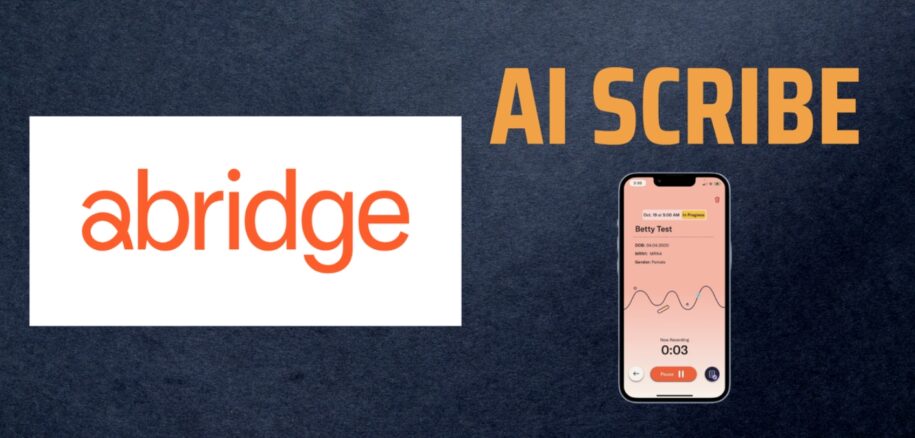
Have you ever left a doctor’s appointment feeling like they spent more time staring at a computer screen than looking at you? It’s a frustrating experience for both of you. For doctors, the burden of clinical documentation—the endless notes, charts, and data entry—is a major source of burnout. This is a huge problem that directly impacts patient care and the well-being of our healthcare professionals. But what if there was a way to lift this administrative weight? That’s where Abridge Ai medical scribe, a revolutionary health tech solution, comes in. This is not just another tool; it’s a powerful AI-powered medical scribe designed to enhance healthcare efficiency and bring the human element back to medicine.
1. Introduction: The Growing Need for Abridge in Healthcare
The healthcare landscape is changing rapidly, but some challenges remain stubbornly persistent. One of the biggest hurdles is the sheer volume of paperwork and documentation required for every patient interaction.
1.1. The Challenge of Clinical Documentation
Clinical documentation is a critical part of healthcare. It ensures continuity of care, supports billing, and provides a legal record. However, the process is incredibly time-consuming. Physicians often spend hours after their workday ends, typing up notes and completing charts. This is not only inefficient but also takes away from valuable time that could be spent with patients or on personal well-being. It’s a vicious cycle that contributes to the high rates of physician burnout we see today. The problem is clear, but the solution needs to be smart, efficient, and, most importantly, easy to use.
1.2. Introducing the Abridge Solution
Imagine a world where your doctor can focus entirely on your conversation. Abridge makes this a reality. It uses advanced AI to listen to the natural conversation between a doctor and a patient, then automatically generates a summary and clinical notes. This means the doctor can engage fully with you, knowing that the documentation is being handled in the background. It’s like having a highly efficient, silent partner in the room. This ability to Abridge a conversation into structured notes is a game-changer.
2. How Abridge Works: A New Era of Clinical Documentation
The technology behind Abridge is surprisingly simple to use, yet incredibly sophisticated. The goal is to integrate seamlessly into a doctor’s workflow, not to create more steps.
2.1. The Seamless Abridge Process
The process is straightforward. During a patient visit, the doctor simply uses a secure app to record the conversation. The Abridge AI then takes over, transcribing the audio and identifying the key medical details. It highlights diagnoses, treatment plans, medications, and next steps, structuring them into a comprehensive clinical note. This entire process happens in minutes, not hours. The doctor reviews the final note for accuracy, makes any small adjustments, and it’s ready to be added to the patient’s electronic health record (EHR). You can read more about how AI can streamline business processes like this on the PPLE Labs blog, specifically in the article about Manus AI.
2.2. Abridge Technology: What’s Under the Hood?
At its core, the Abridge platform relies on sophisticated natural language processing (NLP) and machine learning algorithms. It’s trained on vast amounts of medical data to understand the nuances of clinical conversations. This allows it to differentiate between medical terminology and casual conversation, ensuring the notes are not only accurate but also medically relevant. It’s similar to how other advanced AI models learn to understand conversational language, as detailed in an article on Perplexity AI. The AI also includes features that ensure security and patient privacy, which is crucial in a healthcare setting. A strong foundation in cybersecurity is essential, and you can learn more about how AI bolsters these defenses in this article on healthcare cybersecurity.
3. Key Benefits of Using Abridge for Patient Care
The impact of Abridge extends far beyond simply saving time. It’s about creating a better experience for everyone involved.
3.1. Boosting Physician Productivity with Abridge
By automating the laborious task of documentation, Abridge frees up significant time for physicians. This time can be redirected toward seeing more patients, participating in professional development, or simply going home at a reasonable hour. This boost in efficiency can lead to a more sustainable and fulfilling career for healthcare professionals. Think of it as a tool that helps them work smarter, not harder. You can read more about how other AI tools boost productivity in this article on The AI Productivity Hack.
3.2. Improving Patient-Doctor Relationships with Abridge
When a doctor isn’t worried about typing during a visit, they can make real eye contact and have a genuine conversation. This simple shift can dramatically improve the patient-doctor relationship. Patients feel heard and valued, which can lead to better communication and, ultimately, better health outcomes. It’s a win-win scenario that uses technology to enhance, not replace, human connection. This is the kind of transformative power that technologies like those using Nvidia GPUs are bringing to various fields.
4. Beyond the Basics: Abridge and the Future of Health Tech
The power of Abridge is not limited to real-time scribing. Its potential to impact the broader health tech landscape is immense.
4.1. The Role of Abridge in Healthcare Analytics
The detailed, structured data generated by Abridge can be a goldmine for healthcare analytics. By analyzing this data, hospitals and clinics can identify trends, improve care pathways, and better understand patient populations. This leads to data-driven decisions that can enhance the quality of care for entire communities. It’s a powerful example of how AI in healthcare moves us from reactive to proactive care. For more on how AI is used for data analysis and knowledge management, check out this article on Glean AI.
4.2. Abridge and Cybersecurity in a Digital World
In healthcare, data privacy is non-negotiable. Abridge is built with this in mind, using robust security protocols to protect sensitive patient information. This focus on security is paramount to building trust in any new health tech. The platform ensures that all data is handled in compliance with regulations like HIPAA. This dedication to security is a crucial part of integrating AI into sensitive fields, as discussed in detail by the World Health Organization.
5. Abridge: A Smart Investment for Modern Healthcare
Ultimately, investing in a solution like Abridge isn’t just about adopting new technology. It’s about making a strategic decision to improve the quality of care, boost the well-being of staff, and ensure a more efficient and profitable practice.
5.1. Why Now Is the Time to Abridge
The demand for healthcare services is rising, while the administrative burden on providers continues to grow. This is a recipe for disaster. By choosing to Abridge their documentation process, healthcare organizations can get ahead of this curve. It’s an investment in a more sustainable future for both providers and patients. The return on investment is not just financial; it’s also measured in reduced burnout, improved patient satisfaction, and enhanced clinical outcomes. This kind of innovative thinking is at the heart of many successful digital transformation efforts, as highlighted by resources from McKinsey & Company.
Conclusion: Abridge as a Catalyst for Change
The role of AI in healthcare is no longer a futuristic concept; it’s a reality. Abridge stands as a prime example of how this technology can be harnessed to solve real-world problems. By automating medical scribing, it not only enhances healthcare efficiency but also addresses the critical issue of physician burnout. It creates a space for more meaningful patient interactions, better clinical documentation, and a more streamlined workflow. This kind of health tech is a catalyst for positive change, paving the way for a more human-centered and effective healthcare system. As we move forward, solutions like Abridge will become less of a luxury and more of a necessity for any healthcare provider who wants to thrive. To learn more about the broader ethical considerations of AI in medicine, you can explore resources from the American Medical Association. For a deeper dive into the technical side of AI development, consider reading about the latest trends from Google’s AI research.
FAQs
- What is the core function of Abridge? Abridge is an AI-powered medical scribe that automatically creates a summary and clinical notes from a doctor-patient conversation, saving physicians time and improving the accuracy of documentation.
- Is Abridge compliant with patient privacy laws like HIPAA? Yes, data security and patient privacy are top priorities for the platform. The technology is designed to be fully compliant with all relevant healthcare data protection regulations, including HIPAA.
- How does Abridge reduce physician burnout? By automating the time-consuming task of clinical documentation, Abridge allows physicians to leave their offices without hours of administrative work, freeing up their time and reducing a major source of stress and burnout.
- Can Abridge be integrated into existing EHR systems? Yes, the platform is designed to be compatible with a wide range of electronic health record systems, making it easy for clinics and hospitals to integrate it into their existing workflows.
- What is the difference between Abridge and a human medical scribe? While both provide documentation support, Abridge offers a faster, more scalable, and more cost-effective solution. The AI can process information instantly and doesn’t require a physical presence, allowing for greater flexibility and efficiency.
One Comment
HistoSonics: Non-Invasive Tumor Treatment with Ultrasound - PPLE Labs
[…] lives. We’ve seen similar shifts in other areas of health tech, like with the new AI medical scribe Abridge, which is another example of technology improving […]