
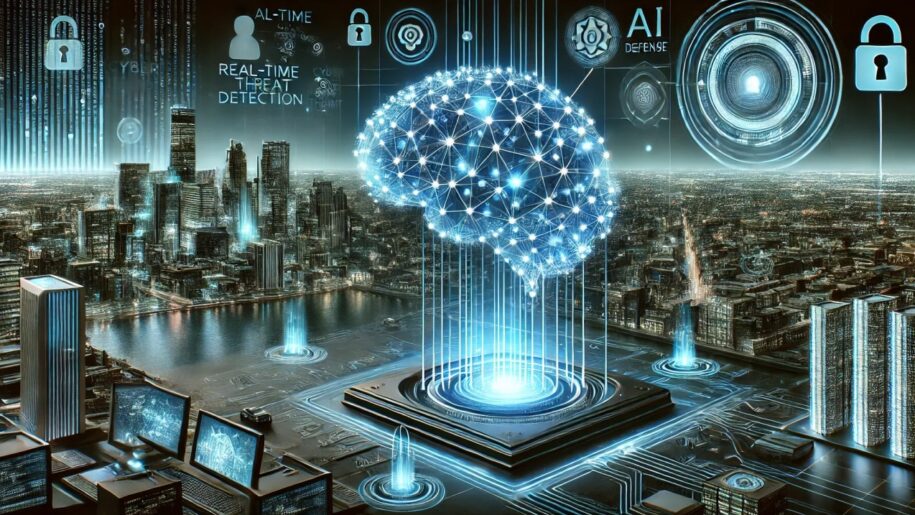
The digital age has ushered in an era of unprecedented convenience and innovation within healthcare. From electronic health records to telehealth services, technology has revolutionized how we deliver and receive care. However, with this progress comes a stark reality: healthcare organizations are increasingly vulnerable targets for cyberattacks.1 The sheer volume of sensitive patient data, coupled with often complex and outdated IT infrastructures, presents a tantalizing opportunity for malicious actors. It’s no longer enough to react to breaches; a seismic shift towards proactive defense is imperative. This isn’t just about protecting data; it’s about safeguarding patient trust, ensuring operational continuity, and ultimately, preserving lives.
The Imperative for Proactive Healthcare Cybersecurity
Why is healthcare such a prime target? Think about it: our medical records contain a treasure trove of personal information – Social Security numbers, addresses, financial details, and intimate health histories. This data is highly coveted on the dark web, fetching a higher price than credit card numbers. Furthermore, the disruption of healthcare services through ransomware or other attacks can have catastrophic consequences, leading to delayed care, compromised patient safety, and even fatalities.
The limitations of reactive approaches are glaringly evident. Waiting for an attack to occur before responding is like closing the barn door after the horses have bolted. Traditional security measures, relying heavily on signatures and known threats, are often a step behind sophisticated attackers who constantly devise new methods to bypass defenses.2 We need a system that anticipates, identifies, and neutralizes threats before they can inflict damage.
AI as the Cornerstone of Proactive Defense
This is where Artificial Intelligence (AI) steps in, offering a transformative pathway to building a truly resilient healthcare cybersecurity posture. AI isn’t a magic bullet, but it’s undoubtedly the most powerful tool we have in our arsenal for proactive defense.
AI-powered threat detection and prediction capabilities are revolutionary. Unlike human analysts who can be overwhelmed by the sheer volume of data, AI algorithms can rapidly analyze vast datasets, identify subtle patterns, and detect anomalies that signal an impending attack.3 Imagine an AI system sifting through network traffic, identifying unusual login attempts, or flagging suspicious file access patterns in real-time. This predictive power allows organizations to neutralize threats before they escalate into full-blown breaches. For instance, consider how AI can enhance continuous monitoring, a critical aspect of proactive cybersecurity.
Enhancing incident response with AI is another game-changer. When an incident does occur, every second counts. AI can automate crucial aspects of incident response, such as containment, eradication, and recovery.4 It can quickly identify affected systems, recommend remediation steps, and even isolate compromised segments of the network, drastically reducing the time to recovery and minimizing damage.
AI for continuous vulnerability management is also a significant leap forward. Manual vulnerability assessments are time-consuming and often miss emerging weaknesses. AI-driven solutions can continuously scan networks, applications, and devices for vulnerabilities, prioritize them based on risk, and even suggest automated patching or configuration changes.5 This ensures that security gaps are identified and addressed proactively, rather than waiting for an attacker to exploit them.
Implementing an AI-Driven Cybersecurity Strategy
So, how do healthcare organizations go about weaving AI into their cybersecurity fabric? It starts with a commitment to data-driven insights for predictive analytics. AI models are only as good as the data they’re fed. Healthcare organizations must prioritize collecting, correlating, and analyzing security-relevant data from various sources, including logs, network traffic, and threat intelligence feeds. This foundational step is crucial for training effective AI models that can accurately predict and identify threats.
Integrating AI tools into existing infrastructure might sound daunting, but it’s often a phased approach. Many AI security solutions are designed to integrate seamlessly with existing security information and event management (SIEM) systems, firewalls, and endpoint detection and response (EDR) tools.6 The key is to select solutions that complement your current setup and provide actionable insights. For more on building a strong security posture, consider exploring “Building a Fortress: Key Strategies for Implementing AI-Powered Healthcare Security” on the pplelabs blog: https://pplelabs.com/building-a-fortress-key-strategies-for-implementing-ai-powered-healthcare-security/.
- Building an AI-Ready Workforce: The human element remains vital. While AI automates many tasks, security analysts are still needed to interpret AI-generated alerts, make strategic decisions, and manage the overall security posture.7 Investing in training programs to upskill your team in AI security concepts is paramount. This ensures that your workforce can effectively leverage AI tools and maximize their impact. For further reading on this, you might find “The Human Factor: Empowering Healthcare Professionals in the AI Cybersecurity Landscape” on pplelabs.com helpful: https://pplelabs.com/the-human-factor-empowering-healthcare-professionals-in-the-ai-cybersecurity-landscape/.
Real-World Applications and Success Stories
We’re already seeing tangible benefits from AI in healthcare cybersecurity. Consider a large hospital system that implemented an AI-powered security analytics platform. The system analyzed millions of data points daily, detecting a sophisticated phishing attempt that mimicked an internal IT alert. The AI flagged unusual email headers and sender behavior, preventing hundreds of employees from falling victim and averting a potentially devastating ransomware attack. Another example involves an AI solution used to continuously monitor medical devices for vulnerabilities.8 It identified a previously unknown flaw in a popular infusion pump’s firmware, allowing the manufacturer to issue a patch before any patient harm occurred. These are not isolated incidents; they represent a growing trend of successful AI implementation in healthcare security. For more insights into how AI bolsters defenses, check out “How Artificial Intelligence (AI) Bolsters Healthcare Cybersecurity Defenses” on pplelabs.com: https://pplelabs.com/how-artificial-intelligenceai-bolsters-healthcare-cybersecurity-defenses/.
Challenges and Future Outlook
While the benefits are clear, overcoming implementation hurdles requires careful planning. Data privacy and regulatory compliance (like HIPAA) are paramount. AI systems must be designed and implemented in a way that respects patient privacy and adheres to all relevant regulations. Furthermore, the complexity of some AI solutions can be a barrier for smaller organizations with limited resources. Scaling these solutions effectively and ensuring interoperability with diverse systems will be an ongoing challenge. For more on navigating regulations, see “Compliance and Beyond: Adhering to Healthcare Regulations in an AI-Driven World” on pplelabs.com: https://pplelabs.com/compliance-and-beyond-adhering-to-healthcare-regulations-in-an-ai-driven-world/.
Looking ahead, the evolving role of AI in healthcare cybersecurity is incredibly promising. We can anticipate more sophisticated AI models capable of not only detecting but also predicting entirely new types of threats. AI will likely play a greater role in automated patching, self-healing networks, and even in developing proactive countermeasures against nation-state-sponsored attacks. The integration of AI with blockchain for secure data sharing and identity management is also a fascinating area of future development. For further reading on the future of healthcare technology, consider this article from the American Medical Association: https://www.ama-assn.org/press-release/ai-medicine-what-doctors-must-know-and-what-policymakers-must-consider. Also, the World Health Organization offers valuable perspectives on digital health, which often intersects with cybersecurity: https://www.who.int/news-room/fact-sheets/detail/digital-health. For a deep dive into cybersecurity trends, you might find this article from Cisco useful: https://www.cisco.com/c/en/us/products/security/what-is-cybersecurity.html.
Conclusion: Securing the Future of Healthcare
Building a resilient healthcare cybersecurity posture with AI isn’t just a technical upgrade; it’s a strategic imperative. By shifting our focus from reactive responses to proactive defense, we empower healthcare organizations to anticipate threats, minimize risks, and ultimately, safeguard the very foundation of patient care. The journey requires investment, collaboration, and a continuous commitment to innovation, but the rewards—a more secure, trustworthy, and efficient healthcare ecosystem—are immeasurable. It’s about protecting the data that protects us all. For more on protecting sensitive patient information, consider “Protecting Sensitive Patient Information in the Age of AI” on pplelabs.com: https://pplelabs.com/protecting-sensitive-patient-information-in-the-age-of-ai/.
FAQs
- How quickly can AI detect a new cyber threat in a healthcare environment?
AI can often detect new threats in near real-time, significantly faster than traditional human-led analysis.9 Its ability to process vast amounts of data and identify subtle anomalies allows for rapid identification, often within minutes or seconds of the threat emerging. For a comprehensive overview of healthcare cybersecurity, read “A Comprehensive Guide to Healthcare Cybersecurity” on pplelabs.com: https://pplelabs.com/a-comprehensive-guide-to-healthcare-cybersecurity/.
- Is AI in cybersecurity expensive for smaller healthcare providers?
The cost can vary, but many vendors now offer scalable AI security solutions, including cloud-based options, that can be more affordable for smaller providers. The long-term cost savings from preventing breaches often outweigh the initial investment.
- Can AI completely replace human cybersecurity analysts?
No, AI is a powerful tool that augments human capabilities, not replaces them.10 Human analysts are still crucial for strategic decision-making, interpreting complex AI outputs, and responding to highly nuanced threats that require critical thinking and creativity.11
- What are the biggest ethical considerations when using AI in healthcare cybersecurity?
Key ethical considerations include data privacy, algorithmic bias, and transparency.12 Ensuring AI systems are trained on diverse and representative data to avoid bias, and that their decision-making processes are auditable and understandable, is paramount. You can explore more on this topic in “Beyond the Code: Ethical AI Development for Secure Healthcare Solutions” on pplelabs.com: https://pplelabs.com/beyond-the-code-ethical-ai-development-for-secure-healthcare-solutions/.
- How does AI help with compliance with regulations like HIPAA?
AI can significantly assist with HIPAA compliance by automating security monitoring, identifying potential data breaches, ensuring access controls are properly enforced, and generating detailed audit trails.13 This helps organizations maintain a robust and compliant security posture. For more on navigating healthcare cybersecurity, refer to “Healthcare Cybersecurity Job: A Practical Roadmap” on pplelabs.com: https://pplelabs.com/healthcare-cybersecurity-job-a-practical-roadmap/.
Leave a Reply