
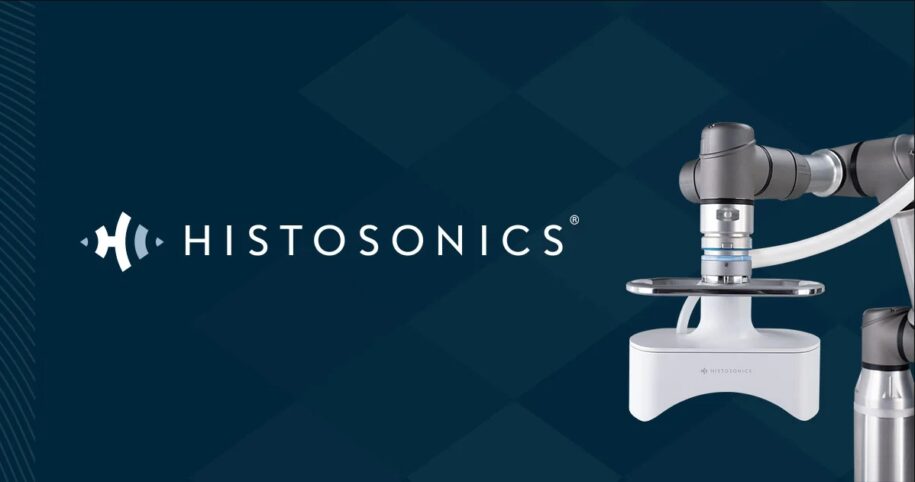
Histosonics New Era of Non-Invasive Oncology
It’s no secret that the journey through cancer treatment can be incredibly challenging. For a long time, the primary methods—surgery, chemotherapy, and radiation—have come with significant side effects that can take a huge toll on a person’s body and mind. But what if we told you there’s a new, less invasive player on the field? A technology that uses sound waves to destroy tumors without the need for incisions, needles, or even radiation. This is exactly what HistoSonics is bringing to the world of medical devices. We’re going to take a close look at this game-changing technology, its mechanism of action, and why it’s such a big deal for patients and the future of oncology.
1. The Science Behind HistoSonics: What is Histotripsy? HistoSonics is a company that developed a technology called histotripsy. Think of it like this: have you ever seen a sound wave vibrate something so much it breaks? That’s the basic idea, but on a microscopic, incredibly precise level. The HistoSonics system, known as the Edison System, uses focused ultrasound to create a “bubble cloud” within the targeted tumor tissue. These bubbles expand and collapse thousands of times per second, mechanically tearing apart the cancer cells. This isn’t a thermal process like other ablation techniques; it’s purely mechanical. The cool part? This happens so precisely that it leaves the healthy surrounding tissue, including blood vessels and bile ducts, completely unharmed. It’s truly a marvel of modern medical engineering and a testament to the power of targeted energy.
2. A Deeper Dive into the Edison System: How HistoSonics Works The Edison System from HistoSonics is more than just an ultrasound machine. It’s a sophisticated platform that combines advanced imaging and robotic precision. The doctor uses ultrasound imaging to locate the tumor in real-time, just like a sonogram. Once the target is identified, the system maps out a personalized treatment plan. A robotic arm then delivers the pulsed sound energy to discrete points within the tumor. What’s truly amazing is that the physician can watch the treatment effect as it happens, seeing the tissue being destroyed by the bubble cloud in real time. This real-time visualization gives doctors a level of control and confidence that is simply not possible with many other treatments. This is the kind of innovation that’s making HistoSonics a leader in the non-invasive space.
3. HistoSonics and its Primary Indication: A Focus on Liver Tumors Right now, the most significant use of HistoSonics is in treating liver tumors. Both primary liver cancer and tumors that have spread to the liver from other parts of the body are being targeted with this technology. In fact, the FDA has already cleared the Edison System for this specific use. This is a huge win, especially for patients who might not be good candidates for traditional surgery due to the location of their tumors or other health concerns. It offers a new option for those who previously had very limited choices. The success of HistoSonics in this area is a big reason for the excitement surrounding it, and it’s paving the way for other applications.
4. The Clinical Evidence: What the Trials Show for HistoSonics So, does this fancy technology actually work? Clinical trials for HistoSonics have been very promising. Studies have shown a high success rate in destroying targeted liver tumors, with local tumor control rates of around 90% at one year. What’s more, the safety profile appears to be very favorable. Patients often experience less discomfort and have a much faster recovery time compared to invasive procedures. These trials are crucial for showing that HistoSonics isn’t just a cool idea, but a truly effective and safe medical device that can make a real difference in people’s lives. We’ve seen similar shifts in other areas of health tech, like with the new AI medical scribe Abridge, which is another example of technology improving healthcare.
5. Beyond the Liver: The Future of HistoSonics While the liver is the main focus for now, HistoSonics isn’t stopping there. The company is already conducting clinical trials to explore the use of the Edison System for treating tumors in other organs, such as the kidney and pancreas. This is incredibly exciting because it suggests a future where this non-invasive approach could be used for a wide range of cancers. The potential for HistoSonics to become a go-to tool in a physician’s arsenal for treating various solid tumors is immense. This is a great example of how a successful medical device can expand its applications.
6. HistoSonics vs. Traditional Treatments: The Key Advantages When you compare HistoSonics to other cancer treatments, the differences are pretty stark. With surgery, there are risks of bleeding, infection, and a long recovery. Radiation therapy, while effective, can damage healthy tissue as it passes through the body. The beauty of HistoSonics is its precision. It destroys only the tumor tissue, leaving everything else intact. This leads to a much less painful experience and a quicker return to normal life for the patient. It’s a huge step forward in making cancer treatment more manageable. Another cool thing is that preclinical studies suggest that the process of destroying the tumor mechanically might even trigger an immune response, helping the body fight off any remaining cancer cells. This could be a game-changer when combined with other therapies, a bit like how some wearable medical technology is now being used to track patient health more holistically.
7. The Patient Experience: What to Expect from a HistoSonics Procedure If you or a loved one were to undergo a HistoSonics treatment, what would it be like? The procedure is done under general anesthesia to ensure you remain still and comfortable. A specialized machine is placed on your abdomen, and the doctor uses ultrasound to guide the treatment. The actual delivery of the sound waves is often short, sometimes lasting only 10 to 90 minutes depending on the tumor’s size and location. Because there are no incisions, the recovery is much faster. Most patients can go home the same day and get back to their normal routines almost immediately. This is a far cry from the weeks or months of recovery associated with major surgery, making HistoSonics a very attractive option.
8. The Financial and Access Side: Making HistoSonics Available A new medical device is only as good as its availability. HistoSonics has been making strides in this area, too. The company has secured significant funding to help with the rollout of the Edison System to hospitals and medical centers. They are also working with insurance companies to ensure that patients can get coverage for this innovative treatment. It’s a complex process, but it’s essential for making sure that as many people as possible can benefit from this technology. You can read more about the business side of medical devices and how they get to market by checking out articles on similar innovations, for instance, on the launch of new health tech.
9. The Future of HistoSonics and Oncology The introduction of HistoSonics represents a paradigm shift in oncology. It’s moving us towards a future where cancer treatment is more targeted, less invasive, and more personalized. The ability to destroy tumors with such precision, while leaving the rest of the body unharmed, is a huge leap forward. As research continues and the technology is applied to more types of cancer, we can expect to see HistoSonics play an increasingly important role. This isn’t just a new treatment; it’s a new way of thinking about how we fight cancer, and it’s a very hopeful sign for the future of medicine. It’s a fantastic example of what can be achieved when we combine brilliant engineering with a deep understanding of human health, a theme that often comes up in our discussions on new medical innovations.
Conclusion HistoSonics is truly at the forefront of a revolution in oncology. By harnessing the power of focused ultrasound, the Edison System offers a non-invasive, precise, and effective way to treat tumors. It’s a testament to how innovative medical devices can change the patient experience for the better, offering hope where there may have been little before. From its current success in treating liver tumors to the promising clinical trials for other organs, HistoSonics is a name we’ll be hearing a lot more about in the coming years. It’s a future where we can fight cancer with less pain, fewer side effects, and faster recoveries.
FAQs
- What is the main difference between HistoSonics and traditional ultrasound therapy? Traditional therapeutic ultrasound uses sound waves to generate heat, which can be useful for things like physical therapy. HistoSonics, on the other hand, uses sound waves to create a mechanical effect—a “bubble cloud”—that physically destroys cancer cells without generating heat.
- Is HistoSonics a replacement for all other cancer treatments? Not at all. HistoSonics is another tool in the oncologist’s toolbox. It’s particularly useful for certain types of tumors and for patients who may not be good candidates for surgery, chemotherapy, or radiation. It can also be used in combination with these other treatments.
- What kind of tumors can be treated with HistoSonics? Currently, the HistoSonics Edison System is FDA-cleared for the non-invasive destruction of liver tumors. Clinical trials are underway to expand its use to other types of tumors, such as those in the kidney and pancreas.
- Are there any side effects from a HistoSonics procedure? Because the procedure is non-invasive and doesn’t use heat or radiation, the side effects are generally minimal. Patients might experience some mild discomfort at the treatment site, but this is usually temporary. The recovery is much quicker than with surgery.
- What are the next steps for HistoSonics? HistoSonics is focused on expanding the use of its technology beyond the liver through ongoing clinical trials. The company is also working to increase the availability of the Edison System in hospitals and secure broader insurance coverage to make the treatment accessible to more patients.
This video provides a great overview of how the histotripsy technology from HistoSonics works.
Tumor-destroying treatment from University of Michigan startup Histosonics acquired for $2.25B
Leave a Reply