
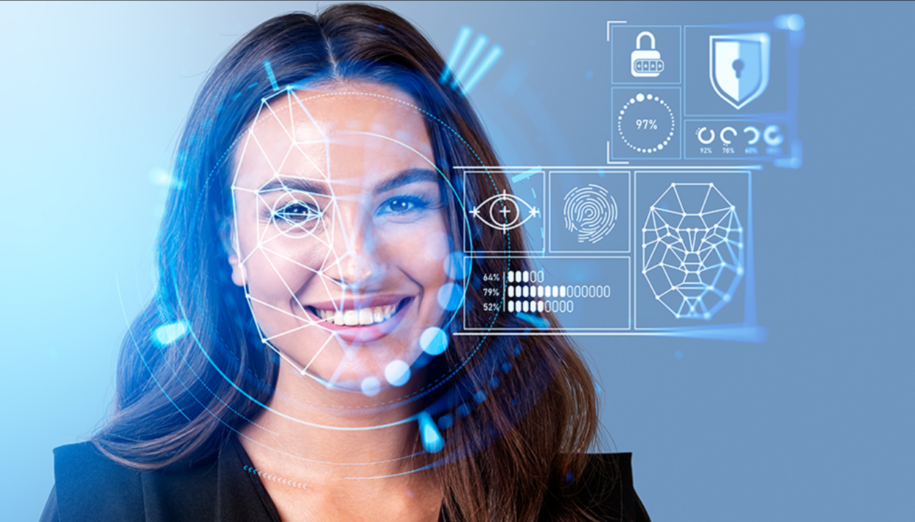
The world of digital healthcare is moving at light speed. We can now see a doctor, get a prescription, and manage our health from our smartphones. But this convenience comes with a dark side that is hard to ignore. Criminals are now using Deepfake Medical Identity to trick doctors and insurance companies. Imagine a fake patient who looks real and sounds real but exists only in the mind of an AI. This is synthetic patient fraud. It is a quiet epidemic that is costing billions of dollars. If we want to stay safe, we need to understand how these digital ghosts operate.
1. Why Deepfake Medical Identity is the New Frontier of Fraud
The threat landscape has shifted from simple data theft to sophisticated impersonation. In the old days, a hacker might just steal your credit card number. Today, they want something much more valuable. They want your entire medical persona. By building a Deepfake Medical Identity, a scammer can gain access to your benefits and your medical history. This is not just about money anymore. It is about the integrity of our healthcare systems.
Why has this become such a huge problem recently? The answer lies in the tools available to hackers. They can now create realistic media for pennies. According to the latest FBI IC3 reports, healthcare fraud remains one of the most profitable sectors for organized crime. Every video call and every portal login is a potential target. Scammers are always looking for the weakest link in the chain. Often, that link is the human element that trusts what it sees on a screen. Using AI cybersecurity tools is now the only way to keep up.
1.1 The Massive Rise of Synthetic Patient Media
We are seeing a 3,000% surge in identity fraud attempts using deepfakes. This is a staggering number that should make every hospital administrator nervous. Synthetic media is no longer just for making funny videos of celebrities. It is being weaponized to create patient profiles that do not belong to any living person. These profiles use a mix of real data and AI generated imagery. This makes them very hard to flag using traditional verification methods.
1.2 How Generative AI Powers Deepfake Medical Identity
Generative AI is the engine behind this new wave of crime. It can take a tiny sample of data and turn it into a full blown digital human. For a criminal, the process is simple. They find a target and gather their public info. Then, they use AI to fill in the gaps. They create a Deepfake Medical Identity that can talk to a nurse or answer security questions. This is why phishing defense AI is so important today. We need AI that can spot the tiny mistakes that human eyes miss.
2. The Mechanics of Creating a Synthetic Patient Profile
Creating a synthetic patient is like building a digital puzzle. The scammer starts with seed data. This might be a stolen name or a birth date. Then they add the AI layers. The goal is to make a profile that looks established. They might create fake social media accounts or even falsified medical records from other clinics. Once the Deepfake Medical Identity looks real on paper, they move to the live interaction phase.
2.1 Using AI Generated Voices in Telemedicine Calls
Voice cloning is perhaps the most dangerous tool in the fraudster’s kit. It only takes a thirty second clip of your voice to create a clone. A scammer can then use this clone to call your doctor or your insurer. They might request a change in your home address or ask for a new prescription. Because many people sound different when they are sick, a doctor might not suspect a thing. The WHO has warned that AI ethics must include protections against such voice manipulation.
2.2 Visual Deepfakes and Biometric Bypass Scams
Visual deepfakes are the next level of this deception. During a video call, a scammer can use software to map your face onto theirs. This allows them to attend an appointment as you. They can even bypass some face recognition systems. This is a massive risk for pharmacy software that relies on visual ID for picking up controlled substances. The NIST guidelines are already pushing for better liveness tests to catch these visual tricks.
3. How Deepfake Medical Identity Steals Your Insurance
The end goal of synthetic fraud is almost always financial. Once a scammer has a working Deepfake Medical Identity, they start milking the insurance system. They file claims for equipment or drugs that were never delivered. Or they get expensive treatments under your name while you stay at home. This drains the funds meant for real patients.
3.1 Large Scale Pharmaceutical Diversion Schemes
Opioid theft is a major driver of this fraud. Scammers use a Deepfake Medical Identity to get multiple prescriptions from different doctors. They then sell these drugs on the black market. This fuels the addiction crisis and puts lives at risk. The 2025 National Health Care Fraud Takedown highlighted how telemedicine is being exploited for this very purpose. When a fake patient can get a real script, the whole system breaks down.
3.2 Phantom Billing and Falsified Diagnoses
Phantom billing is when a clinic or a scammer bills for services that never happened. A Deepfake Medical Identity makes this easier. The scammer can verify the visit if the insurance company calls to check. This leaves a trail of fake diagnoses in your records. This is why AI for security orchestration is becoming a standard in hospital billing departments.
4. Modern Tools for Spotting Deepfake Medical Identity Scams
We are not losing the war just yet. New tools are helping us fight back against synthetic fraud. The key is to stop relying on things that AI can easily copy. We need to look at deep patterns that are uniquely human. We have to use the very same tech that the criminals use, but we use it for defense.
4.1 Behavioral Biometrics as a Defense Layer
Behavioral biometrics look at how you interact with a device. Do you type with a certain rhythm? How do you move your phone when you are talking? These habits are very hard for a Deepfake Medical Identity to replicate. By monitoring these patterns, systems can flag a session if the behavior looks robotic. It is important to address the re identification risk of such sensitive metadata to ensure patient privacy is not compromised while building these defenses.
4.2 Blockchain and Immutable Patient Records
Blockchain offers a way to make medical records tamper proof. If every entry in your record is verified by a network, a scammer cannot just slip in a fake diagnosis. This makes it much harder for a Deepfake Medical Identity to build a history. Blockchain in healthcare ensures that once a record is added, it cannot be altered. When combined with synthetic healthcare data for testing models, we can build very strong defenses.
5. Future Trends for Preventing Deepfake Medical Identity in 2026
As we look toward 2026, the battle will get even more technical. We will see the rise of digital watermarking for all telemedicine calls. This will verify that the video stream is coming from a real camera and not an AI generator. We will also see more use of multi factor authentication that uses physical keys.
The threat of Deepfake Medical Identity will not go away. It will just evolve. But as long as we stay one step ahead with our tech, we can protect our patients. Hospitals will need to train their staff to be deepfake aware. Exploring generative AI in healthcare will help us understand both the risks and the rewards of this tech.
Conclusion
The rise of Deepfake Medical Identity shows that technology is a double edged sword. While AI can save lives, it can also be used to steal identities. The best defense is a mix of high tech tools and human intuition. We must stay vigilant and keep our digital borders secure. Your medical identity is one of your most precious assets. Do not let a digital ghost take it from you.
FAQs about Deepfake Medical Identity
1. How can I protect my voice from being cloned for a Deepfake Medical Identity? Limit high quality audio you post online. Use security systems that do not rely only on voice for ID. Opt for app based or physical key verification.
2. What are the common signs of a Deepfake Medical Identity in a video call? Look for a lack of blinking or unnatural shadows. Sometimes audio is slightly out of sync. If the patient avoids certain angles, it might be a deepfake.
3. Is Deepfake Medical Identity fraud covered by most insurance plans? Most plans have fraud protection, but fixing your medical record can be painful. Prevention is always better than the cleanup.
4. Can hospitals use AI to detect a Deepfake Medical Identity? Yes, many use AI to look for digital artifacts in video and audio. These systems are faster and more accurate than a human at spotting synthetic media.
5. Why is 2026 considered a critical year for Deepfake Medical Identity? By 2026, deepfake tools will be everywhere. However, defenses like digital watermarking and blockchain will also be standard. It will be the year of digital trust.
Would you like me to prepare a checklist for your IT team on how to audit third party telemedicine providers for deepfake vulnerabilities?
Leave a Reply