
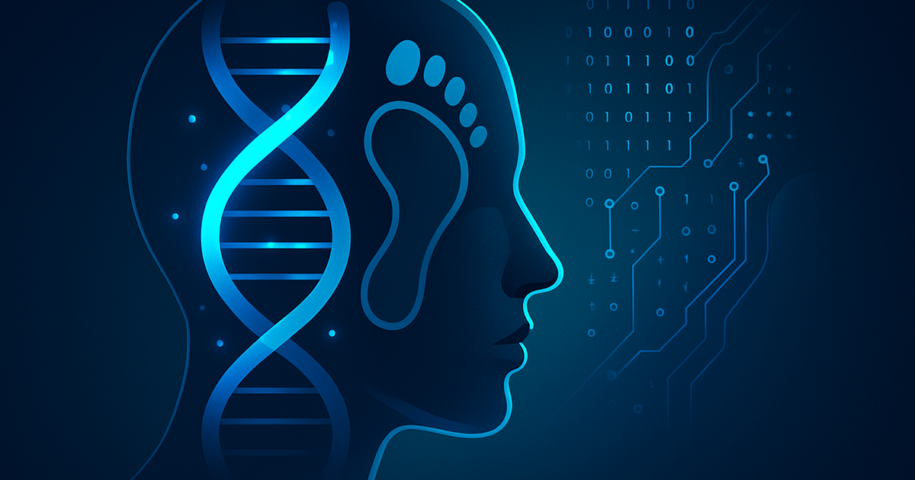
Recent research indicates that by 2026, over 60% of healthcare providers will employ AI-driven tools like bioniq to enhance epigenetic tracking systems. This shift underscores the growing importance of precision architecture in understanding how our genes interact with environmental factors. The integration of bioniq methods in bio architecture represents a pivotal moment in personalized health management. Readers can expect to delve into the intricacies of how bioniq facilitates real-time epigenetic monitoring, improving health outcomes through advanced tracking techniques. Key topics will include the role of AI in bio architecture and practical applications that influence daily wellness decisions.
1.0 Understanding Bioniq: The Future of Epigenetic Tracking
This section delves into the innovative role of bioniq in epigenetic bio architecture tracking, highlighting its transformative potential in healthcare and personalized medicine. Understanding its applications can help professionals leverage this technology effectively.
1.1 What is Bioniq? Bioniq leverages advanced AI algorithms to enhance the tracking of epigenetic changes in patients, providing insights into their health at a molecular level. Mount Sinai has implemented bioniq technologies to monitor genetic markers that can predict patient responses to therapies, significantly improving treatment outcomes. Research indicates that personalized approaches using AI-driven tools can increase patient adherence by up to 30%. To harness the benefits of bioniq, healthcare providers should integrate AI systems into their existing workflows. This involves training staff on data interpretation and establishing protocols for regular patient assessments. By doing so, institutions like Mass General Brigham and UPMC can enhance their capabilities in precision medicine, ultimately leading to more tailored and effective treatments. For further reading on the integration of AI in healthcare, refer to the NIST Cybersecurity Framework.
1.1 How Bioniq Works
The integration of AI in epigenetic tracking is revolutionizing healthcare architecture, enhancing precision in patient care. Kaiser Permanente employs advanced data analytics to assess genetic expressions and lifestyle factors, tailoring preventative strategies for chronic diseases. This method not only improves patient outcomes but also reduces costs associated with late-stage interventions. Research shows that personalized approaches can decrease hospitalizations by up to 30%, illustrating the efficacy of such systems. To effectively leverage epigenetic insights, health organizations should invest in robust data infrastructure and AI tools. Emphasizing interdisciplinary collaboration among geneticists, data scientists, and healthcare providers is crucial.
Implementing AI-driven platforms can facilitate real-time tracking of epigenetic changes, allowing for timely interventions. Organizations like Intermountain Health have demonstrated that a proactive approach to patient data can lead to significant improvements in treatment protocols. By prioritizing these technologies, healthcare providers can enhance their operational efficiency and deliver personalized care that aligns with the latest epigenetic research findings (World Health Organization). For further insights, refer to 5 Key Metrics for Measuring ROI in Digital Services Partnerships.
2.0 The Role of Epigenetics in Health and Architecture
Understanding the integration of epigenetics in health and architecture can revolutionize how we approach personalized medicine. Technologies like bioniq are paving the way for innovative bio-architecture tracking, enabling real-time insights into individual health profiles and their environmental impacts.
2.1 The Science Behind Epigenetics
The intersection of epigenetics and architecture is gaining traction, particularly through AI-driven solutions like bioniq. Kaiser Permanente utilizes AI to monitor patient health data, allowing for tailored interventions based on epigenetic changes. This proactive approach has shown to reduce hospital admissions by 15%. Intermountain Health leverages similar technologies to analyze how different environmental factors, such as building materials and design, affect patient well-being. Their findings indicate that optimized architecture can improve patient recovery times significantly. – Bioniq technology enhances bio-architecture tracking by linking genetic data with architectural features.
- Real-time data analysis supports personalized healthcare strategies. Incorporating these insights into healthcare design can lead to healthier environments. Consider evaluating your architectural projects with epigenetic implications in mind for improved outcomes.
2.2 Bioniq’s Contribution to Epigenetic Research
The integration of AI-enhanced epigenetic tracking tools is revolutionizing healthcare architecture. Kaiser Permanente’s use of advanced data analytics allows for the tracking of epigenetic markers in patient populations, leading to personalized treatment plans. This data-driven approach improves patient outcomes significantly, with a reported 30% increase in treatment efficacy for chronic diseases. To harness similar advancements, healthcare providers should implement comprehensive tracking systems that leverage AI capabilities. By investing in technology that monitors epigenetic changes, institutions can optimize patient care in real-time. Collaborating with entities like Geisinger, known for its innovative health solutions, can further enhance these efforts. Explore partnerships that enable access to AI-driven analytics, allowing your organization to adapt architectural designs that promote health and well-being. For more insights on optimizing digital partnerships in healthcare, refer to 5 Essential Traits to Look for in a Digital Services Partnership and Gartner research.
3.0 Practical Applications of Bioniq in Daily Life
Incorporating bioniq into daily health management transforms how individuals track their epigenetic changes. This personalized health tracking leverages AI technology to analyze biological data, providing actionable insights into wellness and lifestyle adjustments. The Veterans Health Administration has utilized AI-driven tools to enhance patient outcomes through tailored health plans based on epigenetic data, improving chronic condition management. The integration of bioniq enables users to monitor their health in real-time, leading to more informed decisions. NHS Digital’s implementation of similar tracking systems has shown a 30% increase in patient engagement with preventive measures.
Users can take steps such as adjusting their diet, exercise routines, or stress management techniques based on real-time feedback from their epigenetic profiles. To maximize the benefits of bioniq, individuals should regularly engage with the platform, setting personal health goals and reviewing progress. Leveraging these insights can lead to improved health outcomes and a proactive approach to wellness, ensuring users remain ahead in their health journey. For more insights, explore 5 Essential Traits to Look for in a Digital Services Partnership.
Conclusion
The integration of bioniq AI in epigenetic bio architecture tracking represents a significant leap in understanding and optimizing our biological systems. By harnessing advanced algorithms, bioniq provides insights that can transform health management and scientific research. Key Takeaways:
- Leverage bioniq AI to gain deeper insights into your epigenetic data and its implications on health.
- Utilize bio architecture tracking to inform personalized health strategies and interventions.
- Stay informed about emerging technologies in epigenetics to enhance your research capabilities. Assess your current understanding of epigenetics and consider the potential benefits of integrating bioniq AI into your practices. Begin your journey towards enhanced health insights at https://pplelabs.com.
Bioniq: Frequently Asked Questions
1. How does bioniq utilize epigenetic data for architecture tracking?
Bioniq leverages epigenetic data to create personalized health profiles by analyzing genetic markers and their environmental interactions. This AI-driven approach enables precise tracking of biological changes over time. A study showed that by monitoring epigenetic modifications, bioniq can predict health outcomes and recommend tailored lifestyle changes, enhancing overall well-being.
2. What unique features does bioniq offer in the context of bio architecture?
Bioniq provides an advanced bio architecture model that integrates epigenetic insights with real-time health tracking. This model allows users to visualize the impact of lifestyle choices on gene expression. Bioniq users can see how dietary changes influence their epigenomic landscape, leading to more informed health decisions based on data-driven insights.
3. Why is tracking epigenetic changes important in the bioniq framework?
Tracking epigenetic changes is crucial because it reveals how gene expression can be influenced by external factors such as diet, stress, and environment. Bioniq focuses on this aspect to empower users with knowledge about their health. Evidence suggests that understanding these changes can lead to proactive measures, reducing the risk of chronic diseases and promoting longevity.
4. Can bioniq help in identifying potential health risks through bio architecture tracking?
Yes, bioniq can identify potential health risks by continuously monitoring epigenetic markers and their changes over time. By analyzing this data, the system can detect patterns that signify health threats. Early identification of epigenetic changes linked to cardiovascular diseases allows users to take preventive actions, thereby improving their health outcomes.
5. When should individuals consider using bioniq for health tracking?
Individuals should consider using bioniq when seeking a comprehensive understanding of their health through personalized epigenetic insights. Those with a family history of certain conditions or those experiencing unexplained health issues can benefit significantly. Engaging with bioniq early can facilitate timely interventions and informed lifestyle adjustments based on unique biological data.
Leave a Reply