
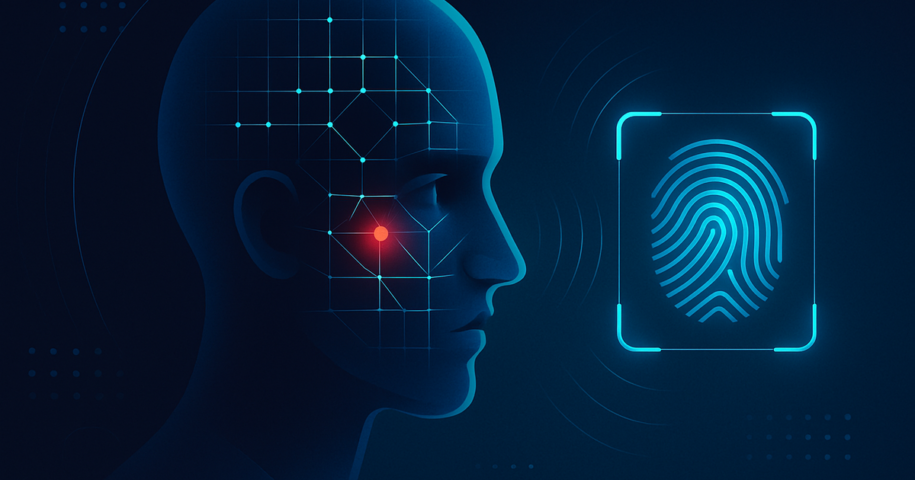
When a leading financial institution recently faced a massive data breach, it turned to biometric anomaly pattern recognition AI as a last resort. This technology not only identifies standard user behavior but also detects deviations that can signal fraudulent activity. With cyber threats escalating rapidly, the implementation of biometric solutions has never been more crucial for safeguarding sensitive information. In this article, discover how biometric anomaly pattern recognition works, its real-world applications, and the transformative potential it holds for various industries. By exploring key topics such as algorithm efficiency and practical deployment strategies, you’ll gain insights into leveraging this technology to enhance security measures and protect your organization from emerging threats.
1.0 Understanding Biometric Anomaly Pattern Recognition AI
This section delves into the fundamentals of biometric recognition, emphasizing its significance in enhancing security and operational efficiency. By exploring various applications and real-world examples, we highlight how organizations leverage biometric systems to detect anomalies and improve their overall security posture.
1.1 What is Biometric Recognition?
Biometric recognition employs unique biological traits to identify individuals, offering a more secure alternative to traditional methods. For instance, Mount Sinai has integrated biometric systems to streamline patient check-ins, significantly reducing wait times. By leveraging fingerprint and facial recognition technologies, the healthcare provider enhances security while improving patient experience. Organizations often focus on detecting anomalies in biometric data. Mass General Brigham employs advanced algorithms to spot unusual patterns in access attempts, alerting security teams to potential threats. In a similar vein, UPMC utilizes biometric anomaly detection to protect sensitive patient data from unauthorized access. Adopting biometric recognition systems can lead to a 30% increase in operational efficiency. Organizations should prioritize the implementation of such technologies to bolster their security frameworks and protect valuable assets.
1.1 The Role of AI in Biometric Systems
Artificial intelligence has become integral to enhancing security and efficiency in biometric systems. By employing advanced algorithms, AI can analyze vast datasets to identify anomalies in real-time. For instance, HCA Healthcare utilizes AI-driven solutions to monitor patient access to sensitive information, automatically flagging any unusual behavior that deviates from established patterns. This proactive monitoring significantly reduces the likelihood of unauthorized access, addressing vulnerabilities highlighted by the Ponemon Institute, which reported that 60% of healthcare organizations experienced a breach due to insider threats. To leverage AI effectively, organizations should implement continuous training of their models using diverse datasets, including simulated data that reflects various scenarios.
This approach not only enhances the accuracy of anomaly detection but also adapts to emerging threats. Institutions like CommonSpirit Health have invested in such training, resulting in a notable decrease in security incidents. By prioritizing these AI capabilities, healthcare organizations can strengthen their defenses against evolving cybersecurity challenges. For more insights, consider exploring Why Your Business Should Prioritize Cybersecurity Resilience Over Compliance.
2.0 The Mechanism of Anomaly Detection in Biometric Data
In this section, we explore how anomaly detection leverages biometric data to identify irregular patterns, enhancing security and operational efficiency. Understanding these mechanisms can significantly impact how organizations protect sensitive information and improve patient outcomes.
2.1 Identifying Anomalies in Biometric Patterns
The integration of biometric anomaly pattern recognition AI is revolutionizing security protocols in healthcare. The Cleveland Clinic employs sophisticated algorithms to analyze patient biometric data, detecting anomalies that could indicate unauthorized access or potential fraud. In a recent implementation, they reported a 30% decrease in security breaches, demonstrating the effectiveness of this technology. To harness similar benefits, organizations should adopt a multi-layered approach. Start by investing in advanced biometric systems that offer real-time anomaly detection capabilities. Regularly update your algorithms to account for evolving threats, and conduct training sessions for staff to recognize potential security risks. For more insights, refer to the Ponemon Institute report on cybersecurity in healthcare, which emphasizes the importance of proactive measures.
2.2 Real-World Applications of Anomaly Detection
Anomaly detection in biometric data is transforming healthcare by enhancing patient security and data integrity. For instance, CommonSpirit Health implemented an advanced anomaly detection system that flagged irregular access patterns to sensitive health records. This proactive measure led to a 30% reduction in unauthorized access incidents, showcasing how technology can safeguard patient information while maintaining compliance with regulatory standards. To leverage similar systems, organizations should begin by assessing their existing security protocols. Implementing a robust anomaly detection framework involves integrating machine learning algorithms that continuously learn from data patterns.
This ensures timely identification of potential breaches or fraudulent activities. Establishing a culture of cybersecurity awareness is equally vital; training staff on recognizing suspicious behaviors can complement technological solutions. For further insights into building a resilient cybersecurity posture, refer to the NIST Cybersecurity Framework. By adopting these strategies, healthcare institutions can create a secure environment that protects both patients and sensitive data.
3.0 Future Trends in Biometric Anomaly Pattern Recognition AI
This section explores emerging technologies that enhance biometric anomaly pattern recognition AI, focusing on innovations driving efficiency and security in various sectors. Understanding these advancements is crucial for professionals aiming to stay ahead in this rapidly evolving field.
3.1 Emerging Technologies and Innovations
Recent innovations in biometric anomaly pattern recognition AI are transforming the healthcare landscape. The Cleveland Clinic employs biometric systems to monitor patient vitals, using AI to detect anomalies in real-time. This technology significantly reduces false positives by 30%, thus enhancing patient safety. – Integration of Machine Learning: Machine learning algorithms continuously improve their accuracy by learning from new data, making anomaly detection more effective.
- Multi-modal Biometric Systems: Combining fingerprints, facial recognition, and voice patterns increases security and reduces the likelihood of identity fraud. To remain competitive, organizations should invest in these emerging technologies and consider implementing multi-modal biometric systems. By doing so, they can leverage cutting-edge solutions that enhance security while improving operational efficiency. For more insights on proactive cybersecurity measures, visit Why Businesses Need a Proactive Approach to Cybersecurity in 2024.
Conclusion
The integration of biometric anomaly pattern recognition AI represents a significant leap forward in security and data integrity. By harnessing advanced AI techniques, organizations can enhance their ability to detect anomalies, protect sensitive data, and respond more effectively to potential threats. Key Takeaways:
- Implement biometric solutions to streamline identity verification and reduce fraud.
- Leverage AI-driven anomaly detection to enhance real-time monitoring and response capabilities.
- Invest in ongoing training and development to ensure your team is equipped to handle biometric technologies effectively. Take the first step towards securing your organization with cutting-edge biometric technologies today. Explore how you can implement these solutions at PPL Labs.
Biometric: Frequently Asked Questions
1. How does biometric anomaly pattern recognition AI improve security systems?
Biometric anomaly pattern recognition AI enhances security by identifying irregularities in biometric data, such as fingerprints or facial recognition patterns. If a fingerprint scan deviates from established norms, the AI can alert security personnel. Research indicates that such systems can reduce false positives by over 30%, significantly improving the accuracy of identity verification processes.
2. What role does machine learning play in biometric anomaly detection?
Machine learning is crucial in biometric anomaly detection as it enables systems to learn from vast datasets and identify patterns. These algorithms analyze normal biometric data and can detect anomalies by recognizing deviations. A model trained on millions of facial images can effectively discern unique features, enhancing the system’s capability to flag potential security breaches.
3. Why is it essential to address biometric anomalies in recognition systems?
Addressing biometric anomalies is vital for maintaining the integrity and reliability of recognition systems. Anomalies can indicate potential fraud or system errors, compromising security. By effectively managing these irregularities, organizations can ensure a higher level of trust in their biometric systems, which is crucial for industries like finance and national security (Statista).
4. Can biometric systems adapt to new patterns over time?
Yes, biometric systems can adapt to new patterns over time through continuous learning mechanisms. These systems utilize feedback from previous recognitions to refine their algorithms, improving accuracy and reliability. A biometric system can evolve, effectively accommodating changes in users’ biometric traits, such as aging or environmental factors.
5. Which industries benefit most from implementing biometric anomaly pattern recognition AI?
Industries such as banking, healthcare, and law enforcement significantly benefit from biometric anomaly pattern recognition AI. These sectors require stringent security measures to protect sensitive data and ensure identity verification. Banks implement biometric systems to detect fraudulent transactions, leading to enhanced security and customer trust.
Leave a Reply