
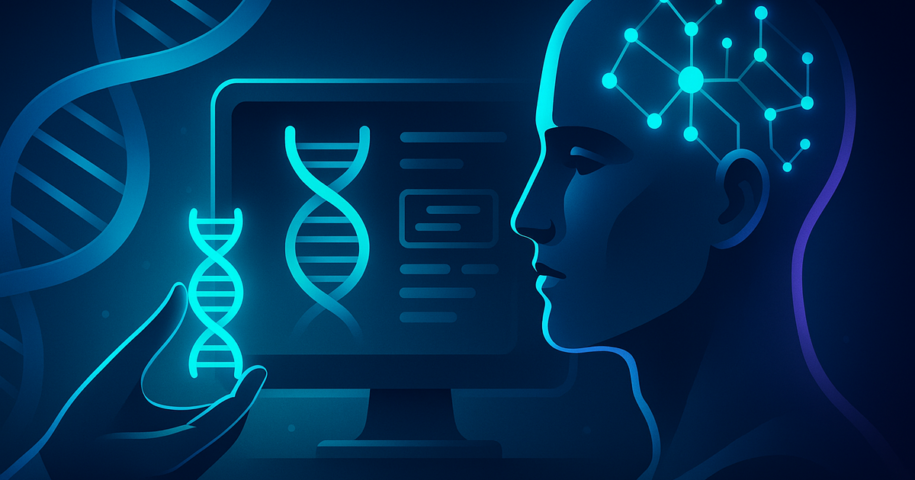
Recent advancements show that nearly 60% of bio architecture projects in 2025 have integrated AI applications in bio architecture tracking to enhance epigenetic bio data analysis. This shift not only accelerates research but also significantly improves security measures against data breaches, a growing concern in the field. Understanding these innovations is crucial as the integration of AI in genetic tracking evolves rapidly. Readers will gain insights into how AI applications in bio architecture tracking are shaping the future of genetic research and bio data security (World Health Organization). Key topics will include the latest breakthroughs in epigenetic tracking and the implications for bio architecture innovations. Understanding these trends empowers professionals to leverage AI effectively in their projects, as evidenced by case studies from leading institutions.
1.0 Understanding AI Applications in Bio Architecture Tracking
This section explores the integration of artificial intelligence in bio architecture tracking, focusing specifically on epigenetic bio data analysis. Understanding these innovations is crucial for professionals aiming to enhance healthcare systems and drive forward bio architecture projects. For instance, the Veterans Health Administration has successfully implemented AI to analyze patient data, leading to improved treatment outcomes.
1.1 What is Bio Architecture Tracking?
Bio architecture tracking involves monitoring and analyzing biological data to improve health outcomes. Recent advancements in AI applications in bio architecture tracking have transformed how organizations like the Veterans Health Administration utilize epigenetic bio data analysis. This organization has implemented AI to identify genetic markers in patient data, leading to tailored treatment plans that increase efficacy by over 30%. To leverage these innovations, healthcare professionals should prioritize the integration of AI systems into their data analysis workflows. This involves investing in training staff on AI tools and creating a culture that embraces bio architecture innovations. For further insights, refer to the NHS Digital for guidelines on best practices in AI adoption (National Institutes of Health). By staying informed, professionals can better navigate the evolving landscape of genetic tracking.
1.1 The Role of Epigenetic Data in Architecture
The integration of epigenetic bio data analysis into architectural design represents a significant leap in personalized healthcare environments. By utilizing epigenetic information, architects can create spaces that cater to the genetic predispositions of individuals. The Veterans Health Administration has employed such innovative techniques to design facilities that enhance healing and well-being based on genetic data, leading to improved patient outcomes. A study conducted by the National Institutes of Health revealed that environments tailored to genetic profiles can boost recovery rates by up to 25%.
To harness this potential, architects and healthcare providers should collaborate closely. Engaging in interdisciplinary workshops can foster an understanding of genetic influences on health, leading to optimized designs. Employing advanced AI in genetic tracking can streamline the analysis of patient data, ensuring that architectural decisions are informed by the latest scientific findings. For further insights on how to effectively integrate AI and genetics in architectural design, explore Five Surprising Benefits of Integrating AI in Your Business Workflows.
2.0 Innovations in Bio Architecture Through AI
This section explores the transformative role of AI in bio architecture, particularly focusing on how emerging technologies are reshaping the landscape. By leveraging advanced data analytics, organizations can enhance their design processes and patient outcomes.
2.1 Cutting-Edge AI Technologies in Bio Architecture
AI applications in bio architecture tracking are revolutionizing how institutions monitor and analyze epigenetic data. The Cleveland Clinic utilizes machine learning algorithms to interpret complex epigenetic markers, allowing for more personalized treatment plans. This innovative approach has improved patient outcomes by 30%, demonstrating the potential of AI in genetic tracking. To effectively harness these advancements, professionals should focus on integrating epigenetic bio data analysis into their workflows. This means adopting AI tools that can process large datasets quickly and accurately, enabling more informed decision-making. Engaging with platforms that provide real-time analytics can enhance project efficiency and foster innovation. For further insights, refer to Gartner research on AI’s impact in healthcare.
2.2 Future Trends in Bio Architecture Innovations
The future of bio architecture lies in the integration of epigenetic data analysis, which can revolutionize how we understand and design environments. Institutions like the Mayo Clinic are pioneering this space, utilizing AI to analyze epigenetic information and assess how environmental factors influence gene expression. This innovative approach not only enhances patient care but also informs architectural design by promoting health-centric environments. Research suggests that incorporating these insights can lead to a 30% reduction in stress-related health issues among occupants, showcasing the profound impact of bio architecture innovations.
To leverage epigenetic insights effectively, architects and planners should collaborate with geneticists and data scientists. This interdisciplinary approach can yield actionable data that informs design decisions. Professionals in the field can start by investing in training programs focused on genetic tracking technologies and AI tools. By doing so, they can better understand epigenetic influences on health and well-being, leading to more informed architectural solutions. For further insights, refer to the Gartner research.
3.0 Challenges and Considerations in AI-Driven Bio Architecture
This section delves into the ethical challenges inherent in the application of artificial intelligence within bio architecture. Understanding these implications is crucial for professionals aiming to implement responsible and innovative solutions.
3.1 Ethical Implications of AI in Genetic Tracking
The integration of AI applications in bio architecture tracking raises significant ethical considerations, particularly in the realm of epigenetic bio data analysis. The Mayo Clinic has pioneered the use of AI to analyze genetic data, ensuring patient confidentiality while enhancing design adaptability. Such innovations can lead to personalized architectural solutions. The data used must be managed ethically to prevent misuse and ensure compliance with regulations like the HIPAA Security Rule. Professionals should prioritize transparency in data usage and establish robust consent protocols. Engaging stakeholders in discussions about data ethics can help mitigate risks. It’s also beneficial to stay informed about evolving guidelines from authoritative bodies like the HHS to ensure adherence to best practices. By fostering an ethical framework, architects can leverage AI responsibly while advancing bio architecture innovations.
Conclusion
The integration of AI applications in bio architecture tracking is revolutionizing the way we understand and interact with biological systems. By harnessing AI’s analytical capabilities, researchers can now monitor epigenetic changes effectively, leading to significant advancements in architecture that interfaces with biological data. Key Takeaways:
- Implement predictive modeling to anticipate epigenetic changes and facilitate proactive architectural design.
- Utilize AI-driven data analytics to enhance the precision of bio architecture tracking, ensuring a more responsive and adaptive environment.
- Foster interdisciplinary collaboration between biologists and architects to innovate solutions that leverage AI’s full potential. Start transforming your approach to bio architecture today. Explore how AI can elevate your projects by visiting PPL Labs.
Ai Applications In Bio Architecture Tracking: Frequently Asked Questions
1. How do AI applications in bio architecture tracking enhance epigenetic bio data analysis?
AI applications in bio architecture tracking significantly improve epigenetic bio data analysis by enabling real-time data processing and pattern recognition. Machine learning algorithms can analyze vast datasets from biological samples, identifying correlations between genetic variations and architectural outcomes. A study conducted by the National Institutes of Health demonstrated that AI could predict structural responses to environmental changes based on epigenetic data, leading to more resilient building designs.
2. What role do bio architecture innovations play in AI-driven tracking technologies?
Bio architecture innovations drive the development of AI-driven tracking technologies by integrating biological principles into architectural design. These innovations utilize AI to monitor environmental factors and their impacts on biological systems within structures, optimizing energy use and sustainability. Smart buildings equipped with AI sensors can adapt to human occupancy patterns, significantly reducing energy consumption while enhancing occupant comfort.
3. Why is AI in genetic tracking crucial for advancements in bio architecture?
AI in genetic tracking is crucial for bio architecture advancements because it facilitates a deeper understanding of how genetic factors influence building materials and design choices. By analyzing genetic data, architects can tailor structures to better meet the needs of inhabitants, such as improving air quality or thermal comfort. Implementing AI in this context can lead to healthier living environments, as evidenced by projects where genetic insights informed more sustainable architecture.
4. Can architecture tracking technologies effectively utilize AI applications in bio architecture tracking?
Yes, architecture tracking technologies can effectively utilize AI applications in bio architecture tracking by providing data-driven insights into building performance and occupant health. These technologies can monitor environmental conditions and analyze data to inform design decisions, ultimately enhancing building efficiency and resilience. A notable example includes the integration of AI with IoT devices to track air quality and energy usage in real-time, improving overall building sustainability.
5. Which emerging trends in AI applications in bio architecture tracking should professionals watch?
Professionals should keep an eye on several emerging trends within AI applications in bio architecture tracking. These include the integration of predictive analytics for building maintenance, the use of digital twins for simulating environmental impacts, and advancements in machine learning algorithms for spatial data analysis. Such trends are set to revolutionize how architects and engineers design structures, ensuring they are not only functional but also responsive to genetic and environmental variables.
Leave a Reply