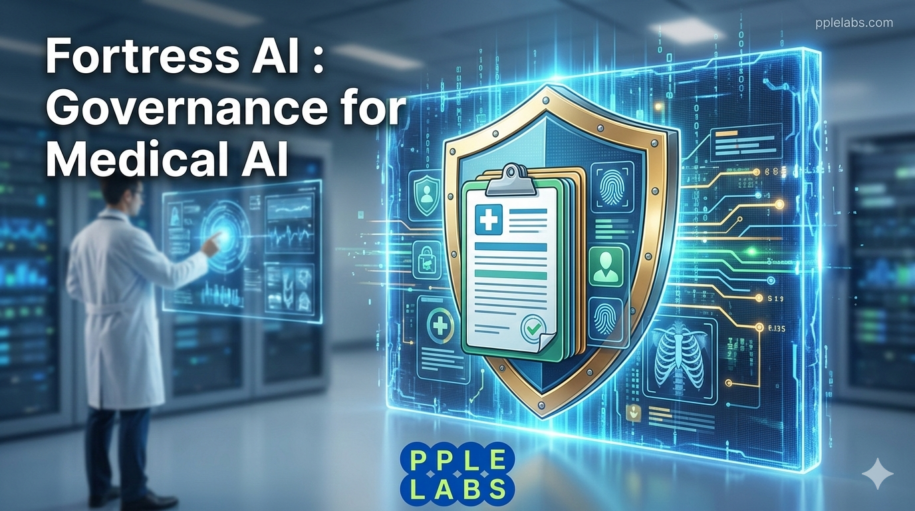
Fortress AI is rapidly becoming the gold standard for healthcare institutions looking to bridge the gap between innovation and safety. As hospitals rush to adopt automated diagnostic tools, the need for a safety net for these technologies has never been more urgent. You would not drive a car without brakes, so why would a hospital deploy an algorithm without a guardrail? This is where the Fortress AI risk management platform enters the picture, offering a robust framework for oversight. By focusing on governance, it ensures that every digital tool used in a clinical setting is both ethical and effective.
1. The Role of Fortress AI in Hospital Board Oversight
Hospital boards face a massive challenge when it comes to technology. They need to stay competitive but cannot risk patient lives or legal disaster. Fortress AI provides the high level visibility these leaders require to make informed decisions.
While generic compliance tools exist, a Fortress AI review often highlights how this specific platform caters to the nuances of medicine. For instance, when looking at Fortress vs Vanta for hospitals, the former wins because it understands clinical workflows rather than just general software security. It allows boards to see exactly which models are running and whether they meet the high bar of medical safety. This level of Fortress AI oversight transforms AI from a mysterious box into a transparent asset.
2. Navigating HIPAA Compliance with Fortress
Privacy is the bedrock of trust in healthcare. If a medical AI leaks patient data, the consequences are catastrophic for the institution and the individual. Fortress AI acts as a sentinel, guarding the gates of sensitive information.
The Fortress AI risk management platform is built with the specific rigors of HIPAA in mind. It does not just check a box; it continuously monitors how data flows through an AI model. Many hospitals are exploring how generative AI impacts healthcare, and Fortress AI ensures these experiments do not turn into privacy nightmares. By using this platform, organizations can confidently scale their tech stack without fearing federal regulators.
3. Clinical Safety and Medical AI Risk Management
Medical AI risk management is about more than just data; it is about the accuracy of the advice given to doctors. An AI that provides a wrong diagnosis is a direct threat to life. Fortress AI provides the rigorous testing environment needed to catch these errors before they reach the patient.
Implementing clinical AI governance with the Fortress AI risk management platform means setting strict parameters for accuracy. This is similar to how we approach precision oncology, where every bit of data must be exact. Whether it is a tool for predictive analytics or a basic administrative bot, Fortress AI ensures the logic holds up under pressure. It provides a structured way to audit models for bias, ensuring that all patients receive equal care regardless of their background.
4. Implementing Clinical AI Governance Step by Step
Moving toward a governed environment does not happen overnight. It requires a cultural shift and the right technical tools. Fortress AI healthcare solutions simplify this transition by providing a clear roadmap for administrators.
First, you must inventory every AI tool in use. Second, use Fortress AI to assess the risk level of each tool. Third, establish clear lines of accountability. This structured approach is vital for the long term health of the organization. For deeper insights into national standards, the FDA AI/ML Action Plan offers great context. You might also find value in the WHO guidance on AI ethics or technical frameworks like the NIST AI Risk Management Framework. By following this path, hospitals can move from a wild west of random apps to a fortress of protected care.
Conclusion
The integration of Fortress AI into the medical world is not just a luxury; it is a necessity. As we have seen, the Fortress AI risk management platform provides the essential pillars of governance, safety, and compliance. By putting these guards in place, hospital boards can embrace the future of medicine without sacrificing the trust of their patients. We are entering an era where technology and human expertise blend seamlessly, and Fortress AI is the glue that keeps that partnership safe.
5 Unique FAQs
1. What makes Fortress AI different from general IT governance tools? Fortress AI is specifically designed for the clinical environment. While general tools look at software uptime, this platform understands medical liability and the specific regulatory needs of a hospital.
2. Can Fortress AI help with HIPAA audits? Yes, the Fortress AI risk management platform maintains detailed logs and compliance records that make the audit process much smoother for healthcare administrators.
3. Is Fortress AI suitable for small clinics? While it is built with the complexity of large hospital boards in mind, its scalable nature makes Fortress AI healthcare solutions valuable for any group that uses AI for patient data.
4. How does Fortress AI handle algorithmic bias? The platform includes specific tools to test AI models against diverse datasets. This ensures that the Fortress AI governance process catches any unfair outputs before they affect patient care.
5. Does Fortress AI replace the need for medical staff? Not at all. Fortress AI is a tool that empowers leaders to do their jobs more effectively by providing the data and oversight they need to manage AI safely..
Leave a Reply