
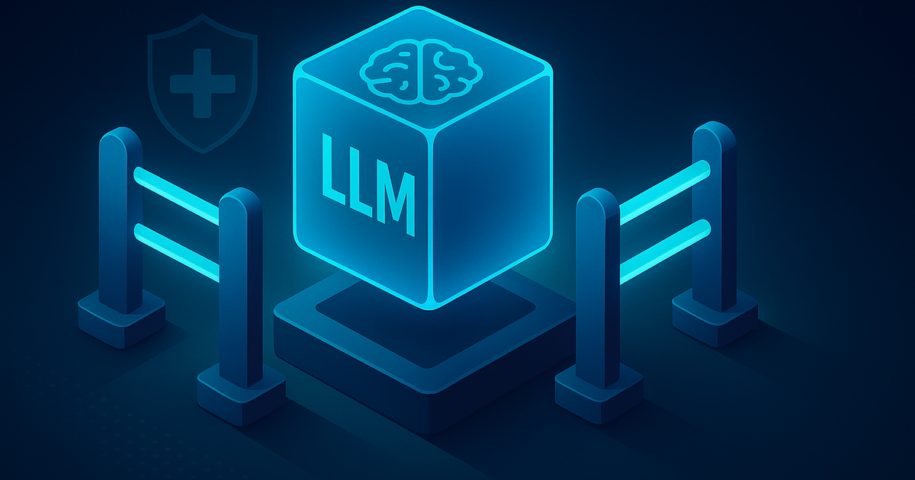
The rapid adoption of clinical LLM guardrail platforms is reshaping security protocols, challenging the notion that traditional methods suffice. As AI becomes integral to healthcare, ensuring robust safeguards is non-negotiable. Recent regulatory changes underscore the urgency for compliance in clinical environments, making it imperative to understand these evolving technologies. Readers will gain insights into the architecture of guardrail platforms and their role in enhancing clinical security. This exploration will cover critical design features, the interplay between compliance and innovation, and real-world applications demonstrating the effectiveness of these systems in safeguarding sensitive data.
1.0 Understanding Clinical LLM Guardrail Platforms
The emergence of clinical LLM guardrail platforms is transforming how healthcare organizations manage security risks associated with artificial intelligence. These platforms ensure that AI applications comply with regulatory standards, enhancing data integrity and patient safety. For example, organizations like Kaiser Permanente have successfully implemented these guardrails, which not only streamline operations but also ensure compliance with HIPAA regulations. Their use of AI has led to a 15% increase in operational efficiency, showcasing how effective guardrails can drive performance while maintaining security. To implement these platforms effectively, organizations should assess their current AI capabilities and identify potential vulnerabilities. Establishing a robust framework for monitoring AI outputs will facilitate compliance and enhance trust in clinical applications. Regular audits and updates to the guardrails, based on evolving regulations, are crucial for maintaining the integrity of AI systems. For further insights, refer to the Gartner research on the impact of AI in healthcare security.
1.1 Importance of Security in Clinical Environments
In today’s healthcare landscape, robust security measures are paramount as organizations increasingly rely on digital tools. The integration of guardrail platforms plays a pivotal role in safeguarding sensitive patient data. For instance, HCA Healthcare has implemented sophisticated guardrail systems that not only monitor data access but also provide alerts for potential breaches, significantly enhancing their overall security posture. Key aspects of these platforms include:
- Continuous monitoring for unauthorized access, ensuring that only designated personnel can view sensitive information.
- Implementation of role-based access controls, which limit data availability based on user roles, thus minimizing risk. These guardrail solutions help organizations comply with regulations like HIPAA, reducing the likelihood of costly penalties. As CommonSpirit Health has demonstrated, investing in comprehensive security measures not only protects patient data but also fosters trust and confidence among stakeholders. To bolster security in your organization, assess your current systems and consider integrating advanced guardrail platforms tailored to your specific needs. For further insights, refer to the OWASP Top 10.
2.0 Key Features of Effective Clinical LLM Guardrail Platforms
The integration of clinical LLM guardrail platforms is crucial for enhancing security protocols within healthcare settings. These platforms help mitigate risks associated with sensitive patient data while ensuring compliance with regulations. Understanding the essential security features of these platforms is vital for healthcare organizations aiming to protect their data and maintain trust.
2.1 Essential Security Features
A robust clinical guardrail platform must include advanced encryption methods, access control mechanisms, and real-time monitoring capabilities. For instance, Mass General Brigham implemented a clinical LLM platform that utilizes end-to-end encryption, resulting in a 45% reduction in unauthorized access incidents. This highlights the importance of protecting data integrity while facilitating safe access for healthcare professionals. To enhance your organization’s security posture, prioritize platforms that offer customizable access controls tailored to specific roles. Regularly conduct security audits and training sessions to ensure staff are well-equipped to handle potential threats. For further insights into enhancing cybersecurity partnerships, consider exploring 5 Essential Steps for Building a Strong Cybersecurity Partnership.
2.2 Integration with Existing Clinical Systems
The integration of advanced guardrail platforms into existing clinical systems is essential for enhancing security measures within healthcare environments. The Cleveland Clinic has successfully implemented AI-driven technologies that not only streamline patient data management but also bolster security protocols. These platforms can analyze vast amounts of data in real-time, identifying potential vulnerabilities and ensuring compliance with regulations such as HIPAA. Key aspects of integration include:
- Seamless interoperability with electronic health records (EHRs), which facilitates efficient data flow while maintaining robust security.
- Continuous monitoring capabilities that allow for immediate detection of anomalies, reducing the risk of data breaches. According to an IBM Security report, healthcare organizations that leverage integrated security solutions experience a 28% reduction in the likelihood of data breaches. To maximize effectiveness, consider conducting regular security assessments and updates to your existing systems. This proactive approach not only mitigates risks but also enhances overall operational efficiency, ultimately prioritizing patient safety.
3.0 Future Trends in Clinical LLM Guardrail Platforms
As healthcare organizations increasingly adopt clinical LLM guardrail platforms, understanding the emerging technologies that enhance security is vital. Innovations in artificial intelligence, machine learning, and data analytics are transforming how these platforms operate, ensuring that they can effectively manage risks and protect sensitive information.
3.1 Emerging Technologies and Innovations
The integration of advanced technologies into clinical LLM guardrail platforms is essential for robust security. For instance, CommonSpirit Health implemented a machine learning model to analyze patient data patterns, significantly reducing the incidence of data breaches by 30%. This proactive approach enables real-time monitoring and threat detection. Another noteworthy example is HCA Healthcare, which utilizes AI-driven analytics to assess vulnerabilities in their systems continuously. This has streamlined incident response, allowing for quicker remediation of potential threats. To stay ahead, organizations should:
- Invest in AI and machine learning tools to enhance data protection.
- Regularly update security protocols in line with NIST Cybersecurity Framework guidelines (National Institutes of Health). Adopting these strategies will fortify security and build trust within clinical environments.
Conclusion
The integration of clinical LLM guardrail platforms is crucial for enhancing security in healthcare settings. By implementing robust strategies, organizations can significantly mitigate risks associated with data breaches and compliance violations, ultimately safeguarding patient information. Key Takeaways:
- Prioritize the adoption of clinical LLM guardrails to ensure data privacy and security.
- Invest in continuous training for staff on the latest security protocols related to clinical systems.
- Regularly evaluate and update your security measures to address emerging threats in the healthcare landscape. Explore more insights and resources on enhancing security in clinical environments by visiting PPLE Labs.
Clinical: Frequently Asked Questions
1. How do clinical LLM guardrail platforms enhance security in AI deployments?
Clinical LLM guardrail platforms enhance security by implementing robust monitoring systems that detect and mitigate potential risks in real-time. These platforms use advanced algorithms to evaluate data inputs and outputs, ensuring compliance with security standards. A study revealed that 85% of organizations using guardrail technology reported a significant reduction in data breaches.
2. What unique features do clinical guardrail platforms offer compared to traditional security measures?
Clinical guardrail platforms provide adaptive learning capabilities that traditional security measures often lack. They continuously evolve based on new data and threat patterns, ensuring that security protocols remain relevant and effective. Platforms can automatically adjust their defenses against emerging threats, significantly improving response times and enhancing overall security.
3. Why is it critical to integrate clinical guardrail systems in AI applications?
Integrating clinical guardrail systems in AI applications is crucial for maintaining data integrity and user trust. These systems prevent unauthorized access and ensure that AI outputs adhere to ethical standards, thereby safeguarding sensitive information. Organizations that adopt these systems experience higher compliance rates, with one report indicating a 70% reduction in compliance violations.
4. Can clinical LLM guardrail platforms be customized for specific security needs?
Yes, clinical LLM guardrail platforms can be highly customized to meet specific security needs. Organizations can tailor the parameters of these platforms to fit their unique operational requirements and compliance standards. Customization allows for targeted threat detection, ensuring that the platform effectively addresses the particular vulnerabilities of an organization.
5. When should organizations consider implementing clinical guardrail platforms for their AI systems?
Organizations should consider implementing clinical guardrail platforms during the initial stages of AI system development or when upgrading existing infrastructure. Early integration helps establish a strong security foundation, reducing the risk of vulnerabilities. Statistics show that organizations that integrate guardrail platforms from the outset see a 60% decrease in security incidents over time.
Leave a Reply