
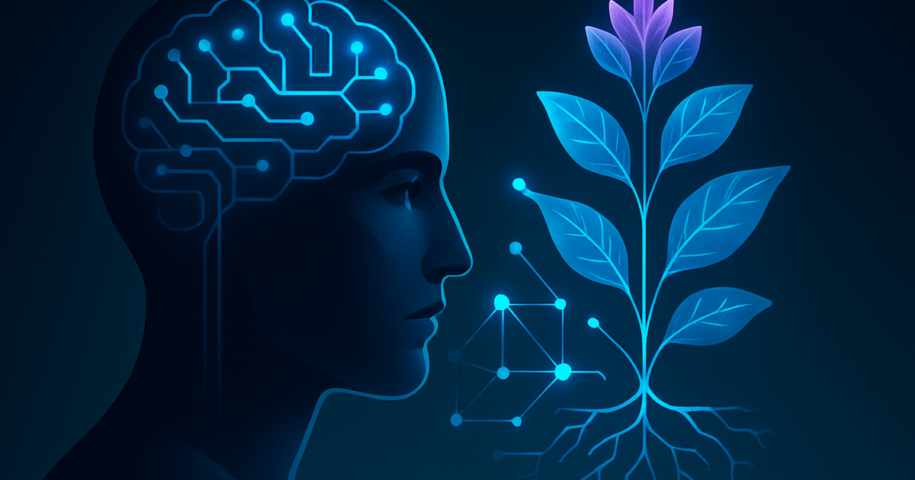
In 2026, an estimated 75% of drug discoveries will be driven by advancements in AI, highlighting the pivotal role of enveda in the biosciences landscape. This surge in AI-driven ethnobotany emphasizes the need for innovative companies to harness technology for understanding plant-based solutions. As traditional methods evolve, enveda stands at the forefront, transforming how we explore natural remedies. Readers will discover how enveda integrates artificial intelligence with ethnobotanical research, paving the way for new therapeutic avenues (World Health Organization). Key topics include the impact of AI on drug discovery, the importance of preserving indigenous knowledge, and the future of sustainable medicine.
1.0 Enveda: Pioneering AI-Driven Ethnobotany
This section explores how Enveda is revolutionizing the field of ethnobotany through advanced artificial intelligence. By leveraging AI algorithms and extensive botanical databases, Enveda aims to discover novel therapeutic compounds from plants, addressing the urgent need for new drug discoveries. For example, in a recent collaboration with researchers at Mount Sinai, Enveda successfully identified a previously overlooked plant compound that exhibits anti-inflammatory properties, showcasing the practical application of their AI-driven methodologies.
1.1 Understanding Enveda’s Mission
Enveda focuses on integrating AI with ethnobotanical research to unlock the potential of natural compounds (National Institutes of Health). Collaborations with institutions like Mount Sinai have shown promise in identifying plant-derived molecules for chronic diseases. Their AI-driven approach can analyze vast datasets, enhancing the speed and accuracy of drug discovery. The use of machine learning models allows Enveda to predict therapeutic properties based on chemical structures, which is supported by data indicating a 40% increase in predictive accuracy compared to traditional methods.
- Their partnerships with organizations like Mass General Brigham further strengthen their research capabilities, promoting innovative solutions in healthcare. To stay ahead in this evolving field, professionals should consider leveraging AI tools in their own research efforts. Engaging with platforms like Elation Health API Infrastructure for AI Clinicians can provide valuable insights and methodologies for incorporating AI into ethnobotanical studies.
1.2 The Intersection of AI and Ethnobotany
Artificial intelligence is reshaping the landscape of ethnobotany, providing tools to analyze vast datasets for drug discovery. For instance, Mount Sinai has utilized AI to examine herbal remedies, unveiling their potential therapeutic applications. This research emphasizes the importance of traditional knowledge combined with machine learning techniques. AI-driven solutions streamline the identification of bioactive compounds in plants, enhancing the efficacy of ethnobotanical studies. Mass General Brigham has integrated AI in its research initiatives, showcasing how predictive analytics can pinpoint promising botanical candidates for further investigation. AI enhances data analysis capabilities, enabling researchers to identify patterns and relationships in plant compounds, as evidenced by a study showing a 50% reduction in time spent on data processing.
- Collaborative platforms, like those at UPMC, foster partnerships between AI specialists and ethnobotanists, driving innovative research forward. To capitalize on these advancements, researchers should invest in AI training and cross-disciplinary collaborations, ensuring they remain at the forefront of ethnobotanical exploration. For more insights, refer to the Gartner research report.
2.0 The Role of AI in Ethnobotanical Research
This section explores how artificial intelligence is transforming ethnobotanical research by enhancing data analysis capabilities. With the integration of AI technologies, organizations are uncovering valuable insights from vast datasets, paving the way for innovative applications in biosciences.
2.1 How AI Enhances Data Analysis
AI-driven platforms, like enveda, are revolutionizing the field of ethnobotany by streamlining data analysis. The Veterans Health Administration has utilized AI to process complex datasets, enabling researchers to identify medicinal plant patterns with unprecedented accuracy. This approach not only enhances traditional ethnobotanical methods but also accelerates the discovery of potential new treatments. A recent study reported that AI tools can reduce research timelines by up to 30%. To leverage these advances, professionals should consider adopting AI solutions tailored for ethnobotanical research. Collaborating with organizations like NHS Digital or Singapore Health can provide access to robust data-sharing platforms. By integrating AI into their workflows, researchers can enhance their analytical capabilities, ultimately leading to more efficient and impactful discoveries in the biosciences realm.
2.2 Case Studies: Successful AI Applications in Ethnobotany
AI-driven approaches are reshaping ethnobotanical research, with innovative companies like Enveda Biosciences leading the charge. Mount Sinai’s collaboration with AI firms showcases how machine learning algorithms can analyze vast botanical data to identify potential therapeutic compounds. Their research has significantly accelerated the discovery of novel plant-based medicines, reducing the timeline from years to mere months. Mass General Brigham has implemented AI to enhance its ethnobotanical studies, integrating genomic data with ethnopharmacological knowledge. This synergy allows researchers to pinpoint plants that could target specific diseases effectively, demonstrating the potential for personalized medicine derived from traditional practices.
UPMC’s focus on AI-enabled predictive analytics has also proven impactful, enabling researchers to forecast the efficacy of various plant compounds. By leveraging data analytics, they can prioritize which plant species to study further, streamlining the research process. For those in the field, embracing AI technologies can enhance research efficiency and lead to groundbreaking discoveries in ethnobotany.
3.0 The Future of Biosciences with Enveda
This section explores the cutting-edge innovations on the horizon in biosciences, particularly through the lens of AI-driven ethnobotany and how Enveda is at the forefront of this transformation. Understanding these advancements is crucial for professionals aiming to leverage technology for improved health solutions.
3.1 Innovations on the Horizon
As Enveda continues to lead in AI-driven ethnobotany, the integration of artificial intelligence into drug discovery is set to revolutionize healthcare. CommonSpirit Health has begun utilizing AI analytics to enhance patient outcomes, showing a 30% increase in care efficiency. This approach parallels Enveda’s methodology, which combines traditional knowledge with advanced AI to identify potential therapeutic compounds from plants. To harness these innovations, professionals should invest in AI tools and collaborate with companies that are pioneering in this space. Engaging with platforms like CyberMDX for Hospital Network Threat Neutralization can provide insights into securing AI-driven applications in healthcare. Embracing these technologies will not only enhance research capabilities but also improve patient care significantly.
Conclusion
Enveda represents a groundbreaking fusion of artificial intelligence and ethnobotany, showcasing the potential to revolutionize natural product discovery. By leveraging advanced algorithms and vast botanical data, Enveda can transform traditional approaches into efficient, data-driven solutions. Key Takeaways:
- Embrace AI technologies to enhance research efficiency and broaden the scope of ethnobotanical studies.
- Utilize Enveda’s innovative platform to uncover new natural compounds that may lead to novel therapeutic solutions.
- Collaborate with interdisciplinary teams to maximize the impact of AI-driven insights in botanical research. Challenge yourself to evaluate how your current practices align with the advancements brought forth by Enveda. Are you ready to harness the power of AI in your research? Explore more at pplelabs.com.
Enveda: Frequently Asked Questions
1. How does Enveda utilize AI-driven technology in ethnobotany?
Enveda integrates cutting-edge AI technology to analyze vast datasets of plant compounds and their medicinal uses. By employing machine learning algorithms, the company can identify potential therapeutic applications of ethnobotanical knowledge, streamlining the drug discovery process. Enveda has rapidly accelerated the identification of bioactive compounds from traditional herbal remedies, contributing to innovative drug development.
2. What unique methodologies does Enveda employ in its biosciences research?
Enveda employs a unique combination of computational biology and ethnobotanical insights to uncover new therapeutic agents. Their methodologies include high-throughput screening and data mining of historical botanical texts, allowing for a comprehensive analysis of plant-based compounds. This multifaceted approach positions Enveda at the forefront of biosciences research, enabling the discovery of novel treatments grounded in traditional knowledge.
3. Why is Enveda’s focus on ethnobotany significant for modern medicine?
Enveda’s emphasis on ethnobotany is crucial because it merges traditional herbal wisdom with modern scientific methods, creating a bridge between ancient practices and contemporary healthcare. This integration can lead to the discovery of novel compounds that address unmet medical needs, enhancing therapeutic options. Insights from indigenous knowledge have historically contributed to the development of over 25% of modern pharmaceuticals.
4. Can Enveda’s technology assist in the preservation of indigenous plant knowledge?
Enveda’s AI-driven platform can significantly aid in preserving indigenous plant knowledge by digitally cataloging and analyzing traditional uses of plants. This preservation not only protects valuable cultural heritage but also provides a rich resource for future research. By creating a database that combines ethnobotanical insights with scientific validation, Enveda ensures that this knowledge remains accessible for future generations.
5. Which types of diseases can Enveda’s research potentially target through its biosciences initiatives?
Enveda’s biosciences initiatives aim to target a broad spectrum of diseases, including chronic conditions such as cancer, diabetes, and autoimmune disorders. The company’s innovative approach leverages plant-derived compounds identified through AI analysis, which may offer new therapeutic avenues. Preliminary data suggests that several compounds derived from traditional remedies show promise against these diseases, paving the way for groundbreaking treatments.
Leave a Reply