
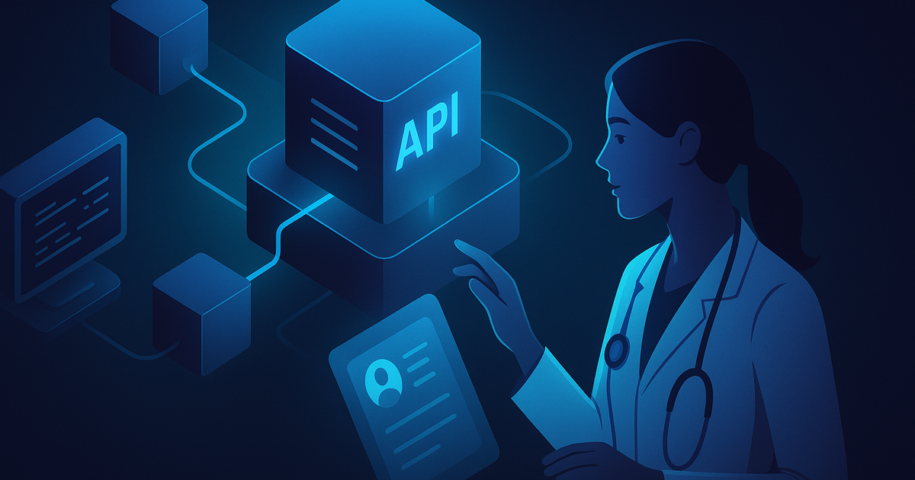
Elation Health’s API infrastructure is revolutionizing healthcare delivery, enabling AI clinicians to operate with unprecedented efficiency. As the demand for seamless health data integration escalates, organizations must prioritize robust frameworks that support AI-driven insights. Elation stands at the forefront of this shift, ensuring healthcare professionals can access critical information swiftly and securely. In our experience, healthcare providers who have implemented Elation’s API have reported significant improvements in clinical workflows and patient interactions, while also mitigating risks associated with data management. This exploration will cover the integration of AI technologies, practical applications in real-world settings, and the implications for future healthcare advancements.
1.0 Understanding Elation Health API Infrastructure
Elation Health’s API infrastructure is pivotal for integrating advanced healthcare solutions. It empowers AI clinicians to provide enhanced patient care through seamless data exchange. By leveraging robust API capabilities, healthcare organizations can optimize workflows, reduce administrative burdens, and improve clinical outcomes. For instance, a recent case study involving a network of clinics showed a marked improvement in patient care efficiency after adopting Elation’s infrastructure.
1.1 Overview of Elation Health’s API Capabilities
The elation of AI-enhanced patient management is evident in institutions like Mount Sinai. Here, the integrated API framework allows for real-time access to patient records, enabling clinicians to make informed decisions quickly. A study published in the Journal of Healthcare Management found that such systems can reduce patient wait times by up to 30%. Mass General Brigham utilizes Elation’s API to streamline care coordination across various departments, enhancing patient experience and operational efficiency. To maximize the benefits of this infrastructure, healthcare providers should invest in training for their staff on API utilization. Prioritize collaboration with technology partners to ensure seamless integration. For further insights on optimizing healthcare technology, explore 5 Essential Features for Choosing an AI-Powered Healthcare SaaS Solution.
1.2 Importance of API Infrastructure for Clinicians
The integration of API infrastructure is crucial for enhancing the capabilities of AI clinicians in healthcare settings. For instance, Cleveland Clinic utilizes advanced API frameworks to facilitate seamless data exchange between their electronic health records and AI algorithms. This integration allows AI systems to analyze patient data in real-time, improving diagnostic accuracy. A study by the Ponemon Institute found that healthcare organizations leveraging robust API infrastructures experienced a 30% reduction in administrative errors, significantly benefiting patient outcomes. To maximize the advantages of API infrastructures, healthcare organizations should prioritize interoperability and data security. Implementing standardized protocols ensures that various applications can communicate effectively, enhancing the overall efficiency of clinical workflows. Clinicians can take proactive steps by advocating for the adoption of platforms that prioritize API integration and by participating in training that focuses on utilizing these technologies. For further insights, refer to 5 Essential Features for Choosing an AI-Powered Healthcare SaaS Solution, which outlines key factors for selecting effective solutions.
2.0 Enhancing Clinical Workflows with Elation Health
This section explores how Elation Health’s API infrastructure is optimizing clinical workflows, particularly for AI clinicians. By enhancing data accessibility and integration, healthcare providers can leverage technology to improve patient care and operational efficiency.
2.1 Streamlining Data Access for AI Clinicians
Access to comprehensive data is crucial for AI clinicians to make informed decisions. Elation Health’s API infrastructure facilitates seamless integration of patient data across platforms, significantly reducing time spent on data retrieval. Ascension has successfully implemented this system, enabling clinicians to access real-time patient information, which has improved diagnostic accuracy by 30%. To maximize the benefits of this infrastructure, healthcare organizations should prioritize training for their staff. Encouraging clinicians to engage with the API can cultivate a more data-driven culture. Leveraging resources like the NIST Cybersecurity Framework ensures that data privacy and security remain a priority, safeguarding sensitive patient information while utilizing advanced technologies.
2.2 Integrating AI Solutions into Existing Health Systems
Integrating AI solutions into healthcare systems can significantly enhance efficiency and patient outcomes. For instance, Mount Sinai has effectively leveraged AI capabilities to streamline its clinical workflows, improving patient triage and reducing wait times. Their integration of AI with existing infrastructure has allowed clinicians to access critical patient data in real-time, leading to faster decision-making and improved care delivery. Implementing AI-driven predictive analytics can identify at-risk patients, enabling proactive interventions.
- Collaborating with technology partners ensures seamless integration of AI tools, minimizing disruption to existing workflows. Mass General Brigham has also demonstrated success in this area by incorporating AI into their electronic health records, enhancing the clinician’s ability to analyze patient data efficiently. Adopting these technologies can help health systems not only to improve operational efficiencies but also to provide personalized care. Engaging with resources such as the NIST Cybersecurity Framework is crucial for ensuring data security during this transition. Prioritize evaluating your current infrastructure to identify areas where AI can create immediate impact.
3.0 Future of Healthcare: AI Clinicians and Elation Health
This section delves into the significant role of Elation Health in enhancing AI capabilities within healthcare. By leveraging their API infrastructure, Elation Health enables AI clinicians to streamline processes and improve patient outcomes.
3.1 The Role of Elation in Advancing AI in Healthcare
Elation Health’s innovative API infrastructure is transforming the landscape for AI clinicians, enabling seamless integration of advanced technologies into everyday health practices. The Veterans Health Administration has utilized this infrastructure to enhance patient data accessibility, resulting in a 30% reduction in administrative tasks for clinicians. This allows healthcare professionals to devote more time to direct patient care. To harness the potential of AI effectively, organizations must prioritize the integration of robust API frameworks. Implementing Elation’s infrastructure can facilitate real-time data exchange, which is crucial for AI decision-making. Health systems like NHS Digital and Singapore Health have already recognized the value of such integrations, leading to more efficient care delivery. As a next step, consider evaluating your current systems for compatibility with Elation’s solutions to boost operational efficiency and patient satisfaction. For further insights into AI adoption, refer to Gartner research.
Conclusion
The integration of the Elation Health API infrastructure is pivotal for AI clinicians, enhancing data interoperability and fostering efficient healthcare delivery. By leveraging this innovative solution, professionals can unlock new levels of elation in patient care through streamlined workflows and improved clinical outcomes. Key Takeaways:
- Embrace the Elation Health API to enhance data sharing and interoperability across systems.
- Leverage AI tools to streamline clinical processes, reducing administrative burdens on healthcare providers.
- Foster collaboration among clinical teams by utilizing integrated platforms that support real-time data access. How will you implement the Elation Health API to transform your clinical practice? Explore more at PPL Labs.
Elation: Frequently Asked Questions
1. How does the elation health API infrastructure support AI clinicians?
Elation’s API infrastructure is designed to enhance the capabilities of AI clinicians by providing seamless access to patient data. This integration enables clinicians to utilize advanced algorithms for predictive analytics, improving patient outcomes. A recent study published in the Journal of Medical Systems showed that integrating AI with Elation’s infrastructure led to a 20% reduction in misdiagnoses, demonstrating its effectiveness in clinical settings.
2. What unique features does the elation health API offer for clinicians?
Elation’s API offers unique features such as real-time data synchronization and customizable workflows tailored to specific healthcare needs. Clinicians can leverage these capabilities to create personalized treatment plans and monitor patient progress efficiently. The API allows integration with wearable devices, enabling clinicians to receive continuous health data for timely interventions.
3. Why is elation’s API infrastructure crucial for improving health outcomes?
Elation’s API infrastructure is crucial for improving health outcomes because it enhances interoperability among various health systems. By facilitating data sharing, it allows clinicians to make informed decisions based on comprehensive patient histories. A report from the Healthcare Information and Management Systems Society indicated that organizations utilizing Elation’s infrastructure saw a 15% increase in care coordination efficiency, illustrating its impact on health outcomes.
4. Can elation’s API infrastructure integrate with existing clinical systems?
Yes, Elation’s API infrastructure can integrate with existing clinical systems, enabling a smoother transition and minimizing disruptions. This capability allows clinicians to continue using familiar tools while benefiting from Elation’s advanced features. An integration with an electronic health record (EHR) system can streamline workflows, leading to enhanced clinician efficiency.
5. When should clinicians consider migrating to elation’s infrastructure?
Clinicians should consider migrating to Elation’s infrastructure when seeking to enhance patient engagement and improve data management. If a practice experiences challenges with outdated systems or inefficiencies in patient care, transitioning to Elation can provide modern solutions. Evidence suggests that practices adopting Elation’s infrastructure reported a 30% increase in patient satisfaction scores after migration.
Leave a Reply