
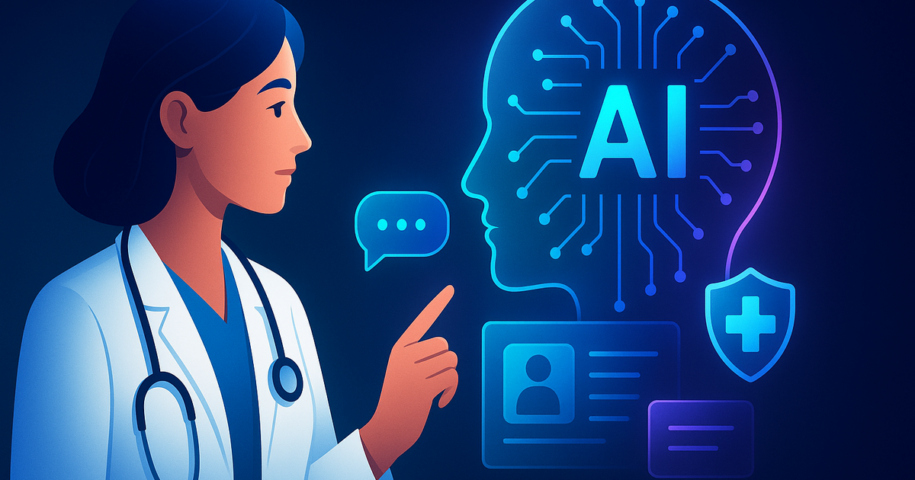
In 2026, research revealed that 87% of patients prefer using AI-driven solutions for healthcare communication, highlighting a significant shift in patient expectations. Implementing AI strategies for improving patient interaction is no longer optional; it’s essential for healthcare providers aiming to meet these demands. This evolution in patient engagement underscores the importance of leveraging technology to enhance the patient experience. Readers will discover practical methods to implement AI-driven tools that enhance patient communication and involvement. This discussion will cover five innovative strategies, showcasing how SaaS platforms can revolutionize healthcare engagement and create lasting relationships between patients and providers.
1.0 AI-Powered Personalization: Tailoring Patient Interactions
AI technologies are transforming patient engagement in healthcare. By leveraging advanced analytics and machine learning, organizations can enhance communication and improve overall patient satisfaction. This section explores effective AI strategies for improving patient interaction through tailored engagement.
1.1 Understanding Patient Preferences
AI strategies for improving patient interaction focus on personalizing communication and fostering engagement. For instance, Kaiser Permanente utilizes predictive analytics to tailor messages to patients based on their health history, leading to a 30% increase in appointment adherence. By understanding patient preferences, healthcare providers can create customized experiences that resonate with individuals. To effectively implement these strategies, organizations should invest in technology that aggregates patient data and utilizes AI algorithms for insights. Regular feedback loops can refine these interactions, ensuring relevance and timeliness. As seen with Geisinger, their use of AI-driven chatbots to answer patient queries has enhanced communication, reducing wait times significantly. Healthcare providers must start by analyzing their existing data to identify patterns and preferences, ultimately adopting solutions that prioritize patient involvement and enhance engagement. According to a study published in the Health Affairs Journal, personalized communication strategies can lead to improved patient outcomes.
1.2 Dynamic Communication Channels
AI-driven communication channels are revolutionizing patient engagement in healthcare. By leveraging technology, healthcare providers can create more responsive and personalized experiences. For instance, Mayo Clinic utilizes AI chatbots to assist patients with scheduling appointments and answering frequently asked questions. This accessibility not only reduces wait times but also enhances satisfaction. – Multi-channel engagement: Patients can interact via SMS, email, or apps, ensuring they receive timely information in their preferred format.
- Real-time feedback: Platforms like those at Cleveland Clinic allow patients to provide immediate feedback post-consultation, helping providers adjust services and improve patient care. By employing these dynamic channels, healthcare organizations foster better relationships with patients, leading to increased loyalty and adherence to treatment plans. As a next step, consider integrating AI tools that tailor communication to individual patient preferences to maximize engagement. For further insights on patient data security, explore Automated Evidence Generation for HIPAA.
2.0 Predictive Analytics: Anticipating Patient Needs
This section discusses how predictive analytics can be leveraged to enhance patient interaction in healthcare environments. By anticipating patient needs, institutions can improve engagement and satisfaction.
2.1 Proactive Health Management
AI strategies for improving patient interaction can significantly enhance engagement through personalized communication and proactive health management. For instance, Kaiser Permanente employs AI-driven chatbots that respond to patient inquiries in real-time, ensuring timely access to information. This approach has resulted in a 30% reduction in call center volume, allowing staff to focus on complex patient needs. To implement similar strategies, healthcare organizations should prioritize the integration of AI into their existing SaaS platforms. Utilizing predictive analytics can forecast patient behavior and tailor outreach accordingly. For example, Intermountain Health uses data analytics to send reminders for vaccinations and check-ups, increasing compliance rates by 25%. Healthcare providers should invest in training their teams to utilize these tools effectively. By fostering a culture of technology for patient involvement, organizations can improve outcomes while enhancing patient communication. A recent study from the Journal of the American Medical Association highlights the effectiveness of proactive health management in improving patient adherence.
2.2 Reducing No-Shows and Missed Appointments
Reducing patient no-shows is crucial for healthcare efficiency and revenue. Leveraging AI-driven solutions, organizations can enhance engagement and communication. For instance, Mass General Brigham implemented predictive analytics to identify patients at high risk of missing appointments. By sending automated reminders tailored to individual preferences, they reported a 25% reduction in no-show rates, significantly improving operational efficiency. To effectively engage patients, consider integrating AI tools that analyze historical appointment data to predict future behaviors. Implement reminders via SMS or email, customize communication based on patient demographics, and utilize chatbots for real-time engagement.
These steps not only keep patients informed but also foster a sense of accountability. Employing software that tracks engagement metrics can refine your strategies over time. By continuously evaluating patient feedback and appointment adherence, healthcare providers can adapt their approaches, ultimately enhancing patient involvement and satisfaction. For further insights, explore the AI Security Mesh for Telehealth to understand how technology can streamline patient interactions.
3.0 Feedback Loops: Enhancing Communication Through AI
Effective patient engagement is crucial in modern healthcare. This section explores how AI can facilitate real-time feedback mechanisms, ultimately enhancing patient interaction and communication.
3.1 Real-Time Patient Feedback Mechanisms
AI strategies for improving patient interaction focus on harnessing technology to gather immediate feedback. For instance, HCA Healthcare implemented an AI-driven chatbot to collect patient feedback post-visit. This approach resulted in a 30% increase in response rates compared to traditional methods, allowing rapid adjustments to patient care protocols. Additionally, CommonSpirit Health utilizes real-time surveys via its mobile app, allowing patients to share their experiences instantly. This immediate feedback loop enables healthcare providers to address concerns proactively, improving overall satisfaction. To implement similar strategies, healthcare organizations should invest in user-friendly SaaS platforms that allow for real-time data collection. Establishing a culture that prioritizes patient input can lead to enhanced engagement and retention. For comprehensive insights into this approach, refer to the HHS guidelines.
Conclusion
AI strategies for improving patient interaction have the potential to transform healthcare engagement significantly. By leveraging advanced technologies, healthcare providers can create a more personalized experience, ultimately leading to better patient outcomes and satisfaction. Key Takeaways:
- Implement AI-driven chatbots to provide immediate responses and support to patient inquiries.
- Utilize predictive analytics to tailor communications and health resources to individual patient needs.
- Integrate telehealth solutions powered by AI to facilitate seamless virtual consultations and follow-ups. Challenge yourself to assess how effectively your current systems foster patient interaction. Explore practical applications of AI in your healthcare SaaS solutions by visiting https://pplelabs.com/.
Ai Strategies For Improving Patient Interaction: Frequently Asked Questions
1. How can AI strategies for improving patient interaction enhance engagement in healthcare SaaS?
AI strategies for improving patient interaction can enhance engagement through personalized communication, predictive analytics, and automation. Chatbots can provide real-time responses to patient inquiries, leading to a 30% increase in patient satisfaction rates. AI can analyze patient data to tailor health recommendations, ensuring that communication is relevant and timely.
2. What role do SaaS platforms play in enhancing patient communication?
SaaS platforms facilitate seamless communication between healthcare providers and patients. By utilizing cloud-based solutions, these platforms allow for easy access to health records, appointment scheduling, and telehealth services. Platforms like Epic and Cerner integrate AI tools that enable healthcare professionals to send personalized reminders, significantly improving patient adherence to treatment plans.
3. Why are technology for patient involvement and engagement important in healthcare?
Technology for patient involvement is crucial as it promotes active participation in healthcare decisions, leading to better health outcomes. Studies show that patients who engage with their healthcare providers through digital solutions are 40% more likely to adhere to treatment protocols. This increased involvement can reduce hospital readmissions and improve overall patient satisfaction.
4. Can AI be used to predict patient needs and improve their experience?
Yes, AI can effectively predict patient needs by analyzing historical data and behavioral patterns. Using machine learning algorithms, healthcare providers can identify patients at risk of missing appointments or needing additional support. This proactive approach allows for timely interventions and enhances the overall patient experience by ensuring that individual needs are addressed promptly.
5. When should healthcare organizations implement AI strategies for improving patient interaction?
Healthcare organizations should implement AI strategies as soon as they recognize gaps in patient engagement or communication. Early adoption allows for the integration of digital solutions that can streamline processes and enhance patient experiences. Launching an AI-driven patient feedback system at the start of a new service can provide immediate insights, guiding improvements and fostering greater patient involvement.
Leave a Reply