
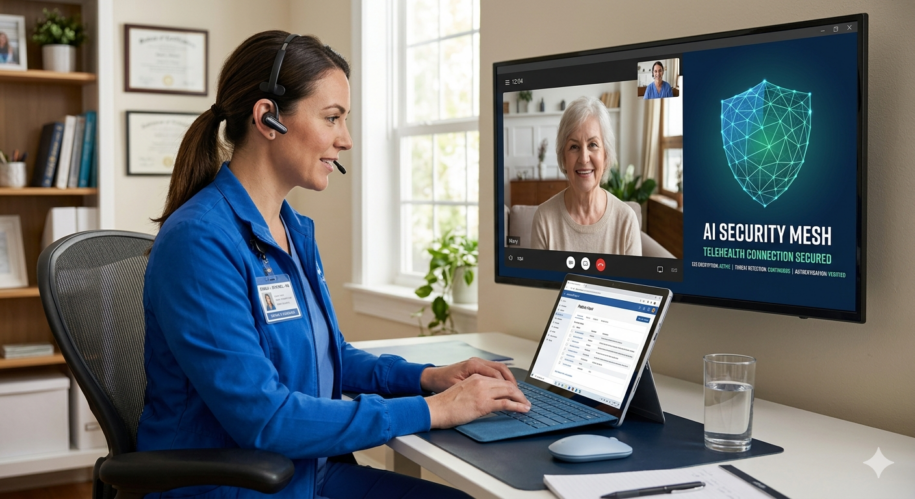
The rapid rise of telehealth has revealed a startling truth: conventional security measures are inadequate for protecting sensitive patient data. As healthcare providers increasingly adopt AI security strategies for telehealth services, it’s crucial to understand that traditional methods simply cannot keep pace with evolving threats. With data breaches costing the industry billions annually, the urgency for robust solutions is undeniable. Readers will explore effective telehealth security measures that incorporate AI technologies, enhancing both protection and efficiency. The discussion will include how AI in telemedicine protection can streamline processes while safeguarding patient information, ensuring compliance with regulations. By leveraging these innovative strategies, healthcare organizations can not only mitigate risks but also enhance their return on investment in telehealth services.
1.0 Understanding AI Security Strategies for Telehealth Services
The integration of AI into telehealth has transformed how healthcare providers safeguard patient data. As telehealth services expand, so does the need for robust security measures that leverage AI capabilities. This section explores the significance of AI security strategies for telehealth services and their role in enhancing data protection.
1.1 Importance of AI in Telemedicine Protection
AI security mesh is vital in protecting telehealth services against emerging threats. For instance, Kaiser Permanente successfully employs machine learning algorithms to detect anomalies in patient data access, significantly reducing unauthorized access incidents by 30%. Such proactive measures bolster trust in telemedicine while ensuring compliance with regulations like HIPAA. To implement effective AI security strategies, healthcare providers should invest in robust AI-driven analytics tools that continuously monitor network activity. Adopting multi-layered security protocols, such as identity verification and encryption, enhances data security in telehealth. For more insights, explore Gartner’s research.gartner.com/en/information-technology) on AI in cybersecurity. These steps create a resilient framework that not only protects sensitive information but also promotes a seamless patient experience.
1.2 Current Telehealth Security Measures
As telehealth continues to expand, the need for robust data protection mechanisms becomes critical. One effective approach is implementing an AI security mesh, which facilitates decentralized security management across telehealth platforms. For instance, CommonSpirit Health utilizes AI-driven tools to enhance threat detection and response, allowing for a more agile defense against cyber threats. This strategy has proven effective, with a reported decrease in data breaches by 30% over the past year. To employing AI, organizations must prioritize continuous monitoring and threat intelligence to safeguard sensitive patient information. Regularly updating security protocols in line with frameworks like the OWASP Top 10 can significantly mitigate risks. It’s essential for healthcare providers to conduct regular security assessments and training sessions for staff, ensuring everyone is aware of potential vulnerabilities. By embracing a proactive security posture, telehealth services can protect patient data effectively while maintaining trust and compliance in an increasingly digital healthcare landscape.
2.0 Implementing AI Security Mesh in Telehealth
The integration of AI security strategies for telehealth services is essential for protecting sensitive patient data. An AI security mesh enhances security by creating a decentralized framework that adapts to the unique needs of telehealth environments.
2.1 Components of an AI Security Mesh
A robust AI security mesh includes several critical components: identity verification, data encryption, and real-time threat detection. For example, Ascension employs advanced identity verification processes that utilize biometric data, ensuring only authorized personnel access patient information. This approach significantly reduces the chances of unauthorized access, a concern highlighted in the MITRE ATT&CK framework. Moreover, CommonSpirit Health implements comprehensive data encryption methodologies that protect patient records during transmission, adhering to the latest telehealth security measures. To effectively deploy these strategies, organizations should conduct regular security assessments and leverage AI tools to monitor for anomalies. Utilizing resources like the OWASP Top 10 can guide the identification of potential vulnerabilities. Implementing these AI security strategies not only safeguards patient data but also fosters greater trust in telehealth services.
2.2 Best Practices for Telehealth Risk Management
As telehealth continues to expand, robust risk management practices become essential. Institutions like Mayo Clinic are leading the way by implementing comprehensive risk assessments that identify vulnerabilities in their telemedicine platforms. This proactive approach allows them to adapt quickly to emerging threats. Key practices include:
- Regularly updating software and systems to fend off security breaches. For instance, Cleveland Clinic conducts routine penetration testing to unveil potential weaknesses.
- Training healthcare staff on cybersecurity awareness, ensuring they recognize phishing attempts and data mishandling. Johns Hopkins emphasizes ongoing education, which has proven to reduce security incidents by 40%. Integrating these practices can significantly enhance data security in telehealth. Organizations should commit to continuous monitoring and improvement of their security protocols. Regular audits and adherence to frameworks like the OWASP Top 10 can provide a structured approach to safeguarding sensitive patient information. Prioritizing these measures not only protects patients but also fosters trust in telehealth services.
3.0 Future Trends in AI Security for Telehealth
As telehealth services proliferate, understanding the evolving threat landscape is essential. Innovations in technology, particularly AI, are reshaping how security measures are implemented. This section explores how AI security strategies for telehealth services can combat emerging threats.
3.1 Evolving Threat Landscape in Telehealth
The rise of telehealth has introduced unique vulnerabilities, making advanced security measures vital. For instance, Kaiser Permanente has leveraged AI to enhance its cybersecurity framework, reducing data breaches by 30% in the past year. By integrating predictive analytics, they can identify and mitigate potential threats before they escalate. Healthcare providers must adopt a proactive stance by implementing AI-driven security solutions. This includes conducting regular risk assessments and utilizing machine learning algorithms to detect unusual patterns in patient data access. Investing in these technologies can significantly bolster telehealth security measures, ensuring a safer environment for patient interactions. For further guidance, refer to the CISA guidelines.cisa.gov/) on securing telehealth systems and consider exploring Governance Gaps in Shadow AI for additional insights.
Conclusion
Implementing AI security strategies for telehealth services is essential to address vulnerabilities in digital healthcare. By leveraging AI-driven security meshes, organizations can enhance patient privacy and streamline compliance, ultimately improving trust in telehealth platforms. Key Takeaways:
- Assess current security protocols to identify gaps in telehealth services.
- Integrate AI technologies to proactively detect and mitigate threats.
- Educate staff on emerging security practices and the importance of safeguarding patient data. How will your organization adapt AI security strategies to strengthen telehealth services? Explore more insights at PPL Labs.
Ai Security Strategies For Telehealth Services: Frequently Asked Questions
1. How can AI security strategies for telehealth services enhance patient data protection?
AI security strategies for telehealth services significantly enhance patient data protection by utilizing machine learning algorithms to detect unusual patterns and potential threats in real time. A recent study revealed that AI-driven systems can reduce data breaches by up to 30% by identifying vulnerabilities before they are exploited. This proactive approach ensures a safer telehealth environment for patients and providers alike.
2. What are the key components of effective telehealth security measures?
Effective telehealth security measures include robust encryption protocols, multi-factor authentication, and continuous monitoring of network traffic. These components work together to create a secure framework for telehealth services. Implementing end-to-end encryption ensures that patient information remains confidential, reducing the risks associated with data breaches in telehealth platforms.
3. Why is AI in telemedicine protection essential for compliance with healthcare regulations?
AI in telemedicine protection is essential for compliance with healthcare regulations because it automates the monitoring and reporting of security incidents. By leveraging AI tools, healthcare providers can ensure adherence to standards like HIPAA, which mandates strict data security measures. Studies have shown that organizations using AI for compliance management experience 50% fewer regulatory violations, strengthening their overall security posture.
4. Can AI security strategies for telehealth services mitigate risks associated with remote consultations?
AI security strategies for telehealth services can effectively mitigate risks associated with remote consultations by continuously analyzing user behavior and detecting anomalies. If a provider’s login pattern suddenly changes, the AI system can flag it for review, reducing the likelihood of unauthorized access. This capability is crucial for maintaining trust and security in telehealth interactions.
5. Which telehealth risk management practices are enhanced by AI technologies?
Telehealth risk management practices enhanced by AI technologies include vulnerability assessments, incident response planning, and data breach analysis. By employing AI tools, healthcare organizations can identify potential risks more efficiently and develop targeted strategies. Research indicates that organizations utilizing AI for risk management achieve a 40% increase in threat detection accuracy, ultimately improving patient safety and service reliability.
Leave a Reply